


Dirty AC ducts can be more serious for people with weak immunity because dust, mold, dander, debris, and moisture-related contaminants may circulate through the rooms they use every day. The serious step is to recognise repeated symptoms, check filters, inspect vents, and identify mold or musty odour before the issue becomes harder to control. The experienced solution is to reduce exposure through regular cleaning, humidity control, filter replacement, and professional duct inspection when symptoms, visible dust, or AC odour keep returning.
How Dirty AC Ducts Affect People with Weak Immunity?
.jpg)
Dirty AC ducts can affect people with weak immunity more strongly because their bodies may struggle to handle dust, mold spores, bacteria, and repeated indoor irritant exposure. This section explains the main risk clearly.
How Dirty AC Ducts Affect People with Weak Immunity? They may increase exposure to airborne dust, mold fragments, pollen, pet dander, bacteria, and debris that move through supply vents and return air pathways.
People with weak immunity may include those recovering from illness, elderly residents, some children, people taking immunosuppressant medicines, and those with chronic respiratory disease. These groups should be more cautious with dirty vents, mold odour, blocked filters, and wet AC components.
A reliable cleaning service can inspect whether the problem is only visible vent dust or deeper contamination inside filters, ducts, coils, drain pans, and return grills.
Common exposure concerns include:
- Mold spores
- Fine dust
- Pet dander
- Pollen
- Damp odour
- Bacteria-prone sludge
- Dirty return vents
- Blocked filters
- Weak airflow
- AC moisture issues
|
AC Duct Concern |
Why It Matters More |
|
Mold growth |
Higher concern for vulnerable lungs |
|
Dust buildup |
More irritation indoors |
|
Dirty filters |
More particles recirculate |
|
Wet drain pan |
Mold and odour risk |
|
Weak airflow |
Poor comfort and filtration |
|
Musty smell |
Moisture problem clue |
Dirty AC ducts do not automatically make every person sick. But for weak immunity, reducing avoidable indoor irritants is a safer and more practical approach.
Frequent Respiratory Infections: Bigger Concern
Frequent Respiratory Infections may become a bigger concern when vulnerable people breathe dusty or mold-prone indoor air repeatedly. This section explains the risk without replacing medical care.
Frequent Respiratory Infections can be more worrying for people with weak immunity because their bodies may not clear irritants or germs as easily. Dirty AC ducts may not be the only cause, but they can add to the indoor burden.
A duct system that contains dust, moisture, mold-like growth, or stale debris may circulate particles through bedrooms and living areas. For vulnerable residents, repeated exposure may worsen coughing, congestion, sinus discomfort, or chest irritation.
Watch for patterns such as:
- Repeated coughing indoors
- More colds after staying home
- Sinus infections that return often
- Chest discomfort near AC airflow
- Wheezing in cooled rooms
- Throat irritation after AC starts
- More symptoms at night
- Symptoms improve away from home
- Musty odour with airflow
- Dust blowing from vents
For broader breathing concerns, ac ducts cause respiratory problems, providing a related internal guide.
|
Pattern |
What to Check |
|
Coughing after AC use |
Vents and filters |
|
Repeated sinus issues |
Mold, dust, humidity |
|
Chest irritation |
Duct hygiene and airflow |
|
Night symptoms |
Bedroom AC pathway |
|
Musty smell |
Coil and drain pan |
|
Weak airflow |
Filter or duct blockage |
Respiratory infections should be assessed by a healthcare provider. AC cleaning supports indoor hygiene, but should not delay medical attention for vulnerable people.
Mold and Mildew Exposure: Hidden Threat
Mold and Mildew Exposure is one of the most important risks for people with weak immunity. This section explains moisture, spores, duct growth, and why musty odour matters.
Mold and mildew exposure become more likely when moisture and dust stay inside the AC system. UAE homes often run AC for long hours, creating condensation on cold coils and moisture-prone drain pans.
Mold needs moisture and organic material. Dust, dander, pollen, and debris can stick to damp AC parts and support growth when the system is not cleaned or maintained.
Mold warning signs include:
- Musty smell
- Black or green specks
- Fuzzy spots near vents
- Damp filter
- Dirty drain pan
- Wet insulation
- Water leakage
- Heavy dust on grills
- Symptoms worse indoors
- Odour after AC starts
For mold-specific cleaning, air duct cleaning for mold removal can help readers understand why physical removal, moisture control, and inspection matter.
|
Mold Risk Area |
What to Inspect |
|
Evaporator coil |
Damp dust buildup |
|
Drain pan |
Sludge and standing water |
|
Duct lining |
Visible contamination |
|
Vent frame |
Spots or staining |
|
Filter |
Dampness and odour |
|
Insulation |
Wet or damaged sections |
For asthma-sensitive residents, ac ducts trigger asthma attacks is also relevant because mold exposure may trigger stronger reactions in some people.
Visible mold or recurring musty odour should be handled carefully, especially around people with weak immunity.
Severe Allergic Reactions, Exhaustion, and Chronic Fatigue: Daily Impact
Severe allergic reactions, exhaustion, and Exhaustion and Chronic Fatigue may appear when indoor irritants disturb breathing, sleep, and immune comfort. This section explains the daily impact in practical terms.
Severe allergic reactions, exhaustion, and Exhaustion and Chronic Fatigue can develop as a pattern when a sensitive person repeatedly reacts to dusty or contaminated indoor air. Symptoms may feel worse in closed AC rooms or after sleeping.
Dust, pollen, mold fragments, pet dander, and dirty filters can trigger sneezing, itchy eyes, congestion, skin irritation, coughing, and throat discomfort. These symptoms can disrupt sleep and make the person feel drained the next day.
Possible daily effects include:
- Lingering fatigue
- Headaches
- Brain fog
- Sneezing
- Watery eyes
- Congestion
- Skin rash
- Coughing
- Poor sleep
- General unwell feeling
For tiredness connected with AC hygiene, ac duct hygiene offers a related guide on fatigue, sleep disruption, and indoor air comfort.
|
Exposure Effect |
Daily Result |
|
Night congestion |
Morning tiredness |
|
Coughing |
Broken sleep |
|
Allergy flare-up |
Low energy |
|
Headache indoors |
Poor focus |
|
Musty odour |
Discomfort |
|
Throat irritation |
Sleep disturbance |
Fatigue has many causes and should be medically reviewed if it is persistent, severe, or unexplained. But indoor air patterns are worth checking when symptoms clearly worsen around AC use.
Warning Signs at Home: Act Early
Warning Signs at Home help families respond before dirty ducts become a bigger issue. This section explains visible, sensory, airflow, and health-related signals.
Dirty AC ducts often show clues before they become a major concern. The signs may appear on vent covers, furniture, filters, or through repeated indoor symptoms.
The strongest warning pattern is repeated symptoms inside the home that improve after leaving. This does not prove duct contamination, but it does suggest the indoor environment should be reviewed.
Watch for:
- Musty or stale odour
- Visible dust around vents
- Black specks near grills
- Weak airflow
- Dust returning quickly
- Coughing indoors
- Sneezing in cooled rooms
- Headache after AC use
- Sinus pressure
- Symptoms in one room
For sinus-related symptoms, ac duct mold and sinusitis can support readers who notice nasal congestion, facial pressure, or musty AC airflow.
|
Warning Sign |
Possible Meaning |
|
Musty smell |
Moisture or mold risk |
|
Dirty vent rim |
Dust circulation |
|
Weak airflow |
Filter or duct blockage |
|
Dust on furniture |
Poor filtration |
|
Symptoms at home |
Indoor trigger possible |
|
Damp AC area |
Drain or coil issue |
Early action is especially important when someone in the home has weak immunity. Small AC hygiene issues can become harder to manage after moisture and dust build up.
Filter and Humidity Control: First Defence
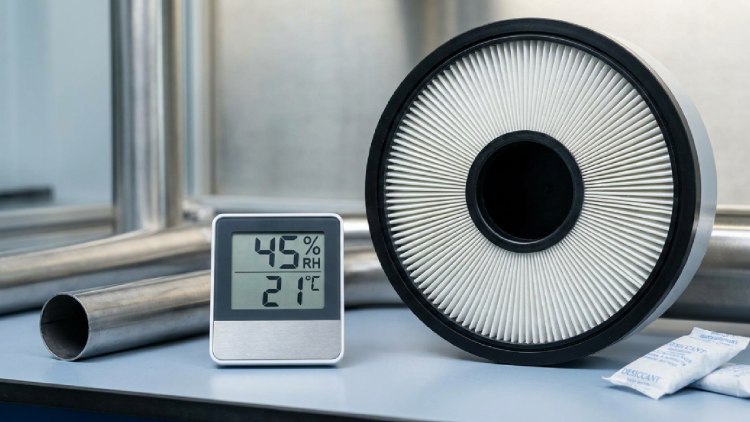
Filter and Humidity Control is the first practical defence for vulnerable households. This section explains filter changes, humidity range, drain pans, and airflow protection.
Filters help trap dust and particles before they recirculate through the AC system. A clogged or poorly fitted filter allows more contamination to move through ducts and coils.
In UAE homes, filters may need checking monthly and replacement or cleaning every 1 to 3 months, depending on dust levels, pets, renovation work, allergies, and AC runtime.
First defence steps include:
- Check filters monthly
- Replace filters on schedule
- Use correct filter size
- Keep return grills clean
- Monitor humidity
- Keep humidity around 30% to 50%
- Clean drain pans
- Keep vents open
- Avoid blocking airflow
- Fix AC leaks quickly
For families managing surface dust too, residential deep cleaning can support cleaning floors, bedding, curtains, furniture, and surfaces where AC dust settles.
|
Control Step |
Why It Helps |
|
Filter replacement |
Reduces recirculated dust |
|
Clean return grill |
Improves air pathway |
|
Humidity control |
Limits mold growth |
|
Drain pan care |
Reduces moisture risk |
|
Open vents |
Supports airflow |
|
Leak repair |
Stops damp contamination |
Filter care and humidity control cannot solve every duct problem. But they reduce the conditions that allow dust and mold to build up quickly.
Professional Cleaning: Safer Removal
Professional Cleaning is safer when weak immunity, mold odour, visible contamination, or recurring symptoms are involved. This section explains what proper duct cleaning should include.
A quick vent wipe is not enough when the AC system has heavy dust, mold-like growth, or dirty return pathways. Vulnerable households need cleaning that addresses the source, not only the visible vent face.
Professional duct cleaning should physically remove dust and debris from the system. It should include inspection, vent removal, duct cleaning, coil and drain checks, and proof of completed work.
A safer service should include:
- Pre-cleaning inspection
- Vent and grill removal
- Return duct check
- Supply duct cleaning
- HEPA vacuum extraction
- Mechanical agitation where suitable
- Coil inspection
- Drain pan cleaning
- Drain line flushing
- Safe sanitising if needed
- Before-and-after proof
- Maintenance recommendations
For targeted service, ac duct cleaning should focus on source removal, hygiene, moisture control, and documentation.
A professional cleaning service should also explain whether the problem is dust, mold-like growth, moisture, blocked drainage, poor filtration, or damaged duct material.
|
Service Step |
Why It Matters |
|
Inspection |
Finds contamination source |
|
Containment |
Reduces dust spread |
|
HEPA extraction |
Captures fine particles |
|
Coil check |
Finds damp growth areas |
|
Drain flushing |
Controls moisture |
|
Photo proof |
Confirms the work |
For service quality expectations, hvac duct cleaning checklist in the uae helps homeowners understand what should be included before booking.
Area Coverage for Weak Immunity and Dirty AC Ducts
Dirty AC ducts affect weak-immunity households differently depending on AC runtime, dust exposure, humidity, property layout, and cleaning history. These UAE area sections explain what Ajman, Abu Dhabi, Dubai, and Sharjah residents should check.
Home Ac Duct Cleaning In Ajman
Ajman apartments often use AC for long hours in bedrooms and living rooms. When return grills, filters, vents, coils, or drain pans are dirty, dust and odour may circulate repeatedly in enclosed rooms.
For people with weak immunity, the bedroom AC pathway is especially important because exposure can continue for many hours during sleep. Morning coughing, congestion, throat irritation, or fatigue should be noted.
Ajman residents should check vent dust, musty smell, filter condition, and airflow strength. If symptoms improve away from home, professional inspection may help identify whether the AC system is contributing to indoor discomfort.
Home Ac Duct Cleaning In Abu Dhabi
For ac duct cleaning Abu Dhabi, vulnerable households should focus on both dust and moisture control. Abu Dhabi homes may include villas, apartments, and larger ducted systems with different access points.
A proper service should inspect supply vents, return ducts, filters, coils, drain pans, and visible contamination. It should also provide before-and-after proof so families can understand what was found.
People with weak immunity should avoid relying on fragrance sprays or quick fogging alone. The safer path is inspection, physical cleaning, filter care, humidity control, and medical support when symptoms persist.
Residential Ac Duct Cleaning In Dubai
Dubai homes may experience fine dust, construction particles, heavy AC use, and sealed indoor spaces. These conditions can increase dust accumulation around vents and return air pathways.
For immunocompromised residents, repeated indoor symptoms should not be ignored. Coughing, sneezing, headaches, fatigue, or musty odour that worsens indoors should be documented before booking a service.
For apartment residents asking whether air duct cleaning worth applies to them, the decision should be based on visible dust, odour, symptoms, renovation history, pets, and inspection evidence.
Affordable Residential Ac Duct Cleaning In Sharjah
Sharjah families with children, elderly relatives, or people with weaker immunity should be careful with dusty AC airflow. Indoor symptoms can become more noticeable when AC runs overnight or in closed rooms.
A full inspection should check filters, vents, return grills, ducts, coils, drain pans, and moisture-prone AC areas. Any visible mold-like spots or recurring stale odour should be addressed quickly.
For family-focused concerns, dirty air ducts affect can help explain why children and sensitive occupants may respond more noticeably to dusty indoor airflow.
Frequently Asked Questions
1. Are dirty AC ducts dangerous for weak immunity?
They can be more concerning because vulnerable people may react more strongly to mold, dust, bacteria, and airborne irritants. Medical advice is important if symptoms persist or infections repeat.
2. Can mold in ducts cause lung infections?
In some immune-compromised people, mold exposure can be associated with serious lung infections. Visible mold, musty odour, or repeated respiratory symptoms should be assessed carefully.
3. How often should vulnerable households clean AC ducts?
There is no single schedule for every home. Cleaning should be considered when there is visible contamination, musty odour, heavy dust, renovation debris, weak airflow, or recurring symptoms.
4. Can changing filters protect people with weak immunity?
Changing filters helps reduce dust circulation, but it cannot remove deep duct debris, mold-prone moisture, or dirty coils. It should be combined with inspection and humidity control.
5. Is DIY duct cleaning safe for homes with weak immunity?
DIY cleaning can spread dust or damage duct materials when done incorrectly. diy duct cleaning is not ideal when vulnerable people or suspected mold are involved.

