


Dirty air ducts can become a concern when children cough, sneeze, wheeze, or wake up congested after the AC runs. The serious step is to inspect the HVAC system, filters, vents, dust buildup, moisture, and bedroom air quality before symptoms become a repeated pattern. The experienced solution is to reduce dust sources, clean visible contamination, control moisture, and book a professional duct inspection when warning signs appear.
Can Dirty Air Ducts Affect Kids Health
.jpg)
Can Dirty Air Ducts Affect Kids Health is a serious question for UAE families because children spend long hours indoors with AC running. This section explains the main signs parents should watch before assuming symptoms are normal.
Dirty air ducts do not explain every cough, sneeze, or allergy flare. Kids may react to bedding, carpets, dust mites, pollen, mold, pets, cleaning products, or outdoor sand. But ducts become more suspicious when symptoms appear after the AC starts or worsen in certain rooms.
Parents should look for timing. If a child coughs more at night, wakes up blocked, sneezes when the AC turns on, or complains about a dusty smell, the airflow path needs checking. The issue may be vents, filters, coils, returns, duct leaks, or contamination inside the HVAC system.
Common warning signs include:
- Sneezing after AC starts
- Coughing at night in cooled rooms
- Blocked nose after sleeping
- Dust on bedding near vents
- Musty odor from the AC
- Visible dust around grilles
- Black particles near vents
- Wheezing in sensitive children
- Fast dust buildup after cleaning
A professional cleaning service can help when duct dust is part of a wider home hygiene problem. Children’s rooms often collect dust in mattresses, curtains, toys, carpets, shelves, and AC vent areas.
Parents who already notice deep cleaning signs should inspect more than ducts. Dust in soft furnishings can keep feeding particles into the air, even after the vent cover is wiped.
|
Child Symptom |
Possible Indoor Trigger |
What to Check |
|
Night cough |
Dust or AC airflow |
Bedroom vent |
|
Sneezing indoors |
Dust or pollen |
Filters and curtains |
|
Wheezing |
Irritants or allergens |
AC timing |
|
Stuffy nose |
Dust mites or mold |
Bedding and ducts |
|
Itchy eyes |
Airborne particles |
Vents and surfaces |
The main point is simple. Dirty ducts become more concerning when symptoms, visible dust, musty smell, and AC timing appear together.
Respiratory Problems: Early Warning Clues
Respiratory Problems in children can feel worse when indoor air keeps circulating dust, mold particles, pollen, or debris. This section explains the early clues parents should track.
Children breathe more air relative to their body size than adults. They also spend more time close to floors, bedding, toys, and soft surfaces where dust settles. When the HVAC system moves particles through the room, sensitive children may react faster.
Possible respiratory clues include:
- Repeated dry coughing
- Wheezing during sleep
- Throat irritation
- Stuffy nose in the morning
- Shortness of breath during play
- Chest tightness
- Frequent sneezing indoors
- More symptoms in one room
Indoor dust can be more frustrating in UAE homes because AC runs often and windows may stay closed for long periods. If dust builds up quickly after cleaning, parents should check AC filters, return grilles, window gaps, curtains, and duct areas.
The effect on indoor air quality can be stronger when outdoor sand, construction dust, and indoor fabric dust mix together. The AC may then keep recirculating those particles through bedrooms and living rooms.
|
Respiratory Clue |
Possible Source |
First Step |
|
Cough after AC starts |
Dust release |
Inspect vents |
|
Morning congestion |
Bedding dust |
Wash bedding |
|
Wheezing at night |
Allergens or mold |
Check bedroom air |
|
Dusty smell |
Dirty airflow path |
Check filter |
|
Throat irritation |
Fine particles |
Improve cleaning |
Parents should not panic over one dusty vent. The stronger warning is a repeated pattern: symptoms return, dust builds up fast, and the AC seems linked to the problem.
Asthma and Allergies: AC Trigger Pattern
Asthma and Allergies can be triggered when dust, mold, pollen, or irritants move through cooled indoor air. This section focuses on AC-linked patterns that parents should not ignore.
Children with asthma, allergies, eczema, or sensitive airways may react more strongly to airborne particles. Dirty ducts may not be the only cause, but they can become part of the exposure chain when the AC system keeps circulating contaminated air.
Watch for these AC-linked patterns:
- Sneezing after entering a cooled room
- Coughing more in the bedroom
- Wheezing after the AC runs overnight
- Itchy eyes during indoor time
- Symptoms improve outside the home
- Symptoms return after sleeping
- Dust appears near the child’s bed
Families already managing asthma should reduce dust reservoirs across the home, especially in bedrooms. Air duct cleaning can help when there is clear duct contamination, but it should be paired with bedding, curtain, mattress, and floor cleaning.
A bedroom deep clean is often useful because children sleep for many hours in one room. If dust is sitting on mattresses, pillows, curtains, shelves, and vents, the AC can keep moving it around.
A practical room check:
|
Bedroom Area |
Allergy Concern |
Action |
|
Mattress |
Dust mites |
Vacuum and protect |
|
Curtains |
Fine dust |
Wash or clean |
|
AC vent |
Dust release |
Inspect and wipe |
|
Toys |
Dust collection |
Clean regularly |
|
Floor corners |
Hidden buildup |
Deep clean |
|
Filter |
Poor capture |
Replace on schedule |
A proper residential deep cleaning service can help when the child’s room and the wider home need a complete dust reset. Duct cleaning works best when room-level dust sources are reduced too.
Immune System Vulnerability: Why Kids React
Immune System Vulnerability matters because children are still developing and may react differently to indoor pollutants. This section explains why parents should take repeated AC-linked symptoms seriously.
Children are not small adults. Their lungs, immune response, and breathing patterns are still developing. If indoor air contains dust, mold particles, or irritants, children may show symptoms sooner than adults in the same room.
The risk can be higher for:
- Babies and toddlers
- Children with asthma
- Children with allergies
- Children recovering from illness
- Children with eczema
- Children who sleep near vents
- Children in dusty bedrooms
- Children exposed to moisture or mold
If AC airflow carries particles into a child’s room nightly, the exposure becomes repeated. Even if each exposure is small, the pattern can matter because sleep is long and the room stays closed.
Parents should check the HVAC system when the same symptoms keep returning. Dirty filters, dusty return grilles, damp duct areas, mold-like spots, or weak airflow can all affect comfort.
A professional ac duct cleaning service is most useful when there are visible signs, musty odor, dust release, or suspected contamination inside the air path. It should not replace medical care for ongoing breathing symptoms.
|
Child Risk Factor |
Why It Matters |
|
Asthma |
Airway irritation can trigger symptoms |
|
Allergies |
Dust and mold may worsen reactions |
|
Young age |
Airways are still developing |
|
Bedroom exposure |
Long nightly contact |
|
Mold sensitivity |
Musty rooms may worsen symptoms |
|
Frequent illness |
Irritants may feel stronger |
Parents should contact a healthcare professional if a child has wheezing, breathing difficulty, repeated night coughing, or symptoms that do not improve with cleaning and AC maintenance.
Area Coverage for Dirty Air Ducts and Kids Health
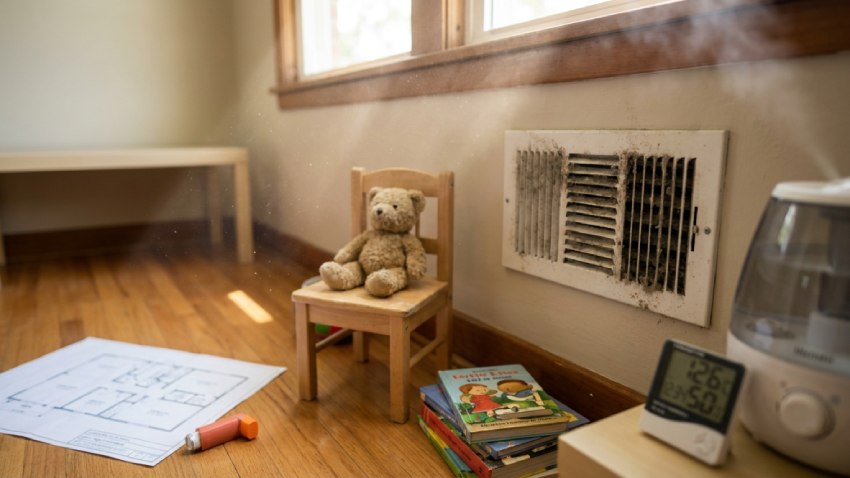
Can Dirty Air Ducts Affect Kids Health is especially relevant across UAE homes where AC systems run daily. This section covers Ajman, Abu Dhabi, Dubai, and Sharjah with family-focused duct cleaning concerns.
Trusted Duct Cleaning Service In Ajman
Ajman apartments often rely on long AC operation, especially during hot months. In compact family homes, dust can move quickly between bedrooms, living rooms, corridors, and return-air areas. If a child wakes up congested or coughs more after sleeping in an AC-cooled room, parents should inspect vents, bedding, curtains, and filters together.
Dust may enter from balconies, corridors, road activity, and nearby construction. Once inside, it settles on soft surfaces and may be pulled back into the HVAC airflow. If dust comes back soon after cleaning, the issue may not be only surface dust.
A professional cleaning service can support Ajman families by reducing dust from child bedrooms, furniture, floors, curtains, and vent areas. Duct inspection becomes more important when visible dust, black particles, or musty odor appears near the AC.
Ac Duct Cleaning Company In Abu Dhabi
Abu Dhabi homes can face both dust and humidity, which makes AC maintenance important for children’s rooms. Moisture around coils, drain pans, or duct insulation may create musty odors. If that smell appears when the AC starts, parents should not cover it with fragrance.
Children with asthma or allergies may react more clearly to damp air, mold-like smells, or dusty airflow. Bedrooms should be checked first because children spend long hours sleeping in one space. Look for dust around vents, condensation marks, stained ceiling areas, and dirty return grilles.
For families needing local support, ac duct cleaning Abu Dhabi can be positioned when there are clear AC-related signs. The best approach includes duct inspection, filter care, moisture checks, and bedroom dust reduction.
Professional HVAC Duct Cleaning In Dubai
Dubai apartments often deal with dust from balconies, sealed windows, renovation work, building corridors, and frequent AC use. Children may react when fine dust settles on bedding, toys, carpets, and soft furnishings. When the AC runs, these particles can move repeatedly through the same rooms.
Parents should inspect whether symptoms worsen after the AC starts or after a dusty day outdoors. Black particles near vents, weak airflow, or dusty smells can suggest that the system needs checking. Recent renovation work is another reason to inspect filters and ducts because fine construction dust can enter the air path.
Families comparing diy vs professional duct cleaning should be careful with children’s rooms. DIY vent wiping is fine for surface dust, but internal duct dust, musty odor, or suspected mold should be handled professionally.
Duct Cleaning Price In Sharjah
Sharjah family homes often show dust issues first in bedrooms, especially where children sleep under AC airflow. If a child sneezes in the morning, coughs at night, or complains about a dusty smell, parents should check the whole bedroom environment, not only the duct.
Dust can collect on mattresses, pillows, curtains, shelves, toys, and floor edges. When the AC runs, loose particles may circulate through the room again. Duct cleaning may help when vents show visible buildup, but bedroom cleaning is still essential.
For Sharjah families, cleaner ducts and cleaner bedrooms work best together for children’s comfort. If dust, odor, and symptoms return after regular cleaning, the next step is a proper AC inspection and a room-level dust control plan.
Cleaning Decision: When Parents Should Act
Parents should act when symptoms, dust, odor, and AC timing point in the same direction. This section gives a simple decision process before booking service.
You do not need duct cleaning only because a vent cover has light dust. But you should book inspection when dust blows from vents, musty odor appears, visible particles return, or a child’s symptoms worsen after the AC runs.
Strong reasons to inspect include:
- Child coughs more in one room
- Sneezing starts after AC airflow
- Dust lands near the bed
- Musty odor comes from vents
- Black particles appear around grilles
- Filters clog quickly
- Recent renovation happened
- Pest smell or droppings appear
- Moisture marks show near vents
Homes with dirty ac ducts may show allergy-like symptoms when the AC turns on. If this keeps happening, inspect filters, ducts, vents, bedroom fabrics, and damp areas together.
Mold-related concerns need extra care. If parents notice musty odor, damp patches, or dark growth near AC areas, air duct cleaning for mold removal may be relevant after moisture sources are checked.
Parents reviewing deep cleaning cost should compare service scope carefully. A useful plan should explain whether it includes bedrooms, vents, filters, AC checks, or duct inspection.
|
Situation |
Best Step |
|
Light vent dust only |
Wipe grille and change filter |
|
Dust blowing out |
Book duct inspection |
|
Musty odor |
Check moisture source |
|
Child coughs nightly |
Check bedroom and AC |
|
Black particles |
Identify source |
|
Renovation dust |
Inspect ducts and filters |
Professional cleaning is most valuable when it solves a clear problem. Parents should avoid fear-based cleaning, but they should not ignore repeated warning signs.
Prevention Steps: Cleaner Family Air
Prevention helps keep children’s rooms cleaner after duct inspection or cleaning. This section gives practical steps families can use to reduce dust, allergens, and airflow contamination.
Start with the bedroom. Children spend many hours sleeping, so dust control in that room matters most. Clean bedding, curtains, floors, toys, and vent areas regularly.
Helpful family steps include:
- Replace AC filters on schedule
- Wipe vent covers gently
- Wash bedding weekly
- Keep soft toys dust-free
- Vacuum under beds
- Clean curtain dust
- Check for musty odor
- Keep vents unblocked
- Control indoor moisture
- Inspect after renovation
A professional cleaning service can help when dust returns quickly or the whole home needs a reset. This is useful in UAE homes where sand, construction dust, and heavy AC use can make dust control harder.
Parents should also avoid unsafe shortcuts. Aggressive diy duct cleaning can spread dust or disturb hidden contamination if the right tools are not used.
A simple prevention plan:
|
Frequency |
Task |
|
Weekly |
Wash bedding and vacuum |
|
Monthly |
Check AC filter |
|
Every 2–3 months |
Inspect vents |
|
After dust storms |
Clean room surfaces |
|
After renovation |
Check ducts and filters |
|
When odor appears |
Inspect HVAC moisture |
For wider family hygiene, cleaning service support can connect duct concerns with mattress, curtain, floor, and bedroom cleaning. Cleaner rooms reduce the particles that AC systems can recirculate.
Frequently Asked Questions: Kids and Air Ducts
1. Can dirty air ducts make kids cough?
Dirty air ducts may contribute to coughing if dust, mold particles, or debris move through AC airflow. Parents should also check bedding, carpets, curtains, filters, moisture, and medical causes.
2. Are dirty ducts dangerous for children with asthma?
Dirty ducts can be a concern for children with asthma when they release dust, mold, or irritants. If wheezing, night coughing, or breathing difficulty appears, seek medical advice and inspect the HVAC system.
3. How do I know if the AC air is bothering my child?
Watch symptom timing. If coughing, sneezing, itchy eyes, or congestion starts after AC use or worsen in one cooled room, check vents, filters, dust buildup, moisture, and bedroom cleaning needs.
4. Should I clean the ducts or the bedroom first?
Start with visible bedroom dust, bedding, curtains, filters, and vent covers. If dust blows from vents, a musty odor appears, or symptoms continue, book a professional duct inspection.
5. Can duct cleaning remove all child allergy triggers?
No. Duct cleaning can help when the HVAC path is contaminated, but allergies may also come from bedding, carpets, dust mites, mold, pets, outdoor sand, and indoor humidity.

