


m0ui.jpg)
DIY duct cleaning may look simple, but one wrong step can push dust deeper, damage flexible ductwork, or spread particles through the rooms. The serious action is to know where DIY cleaning should stop before touching internal ducts, coils, returns, or suspected mold. The experienced solution is to clean visible grilles safely, switch off the system, use proper tools, and call professionals when contamination is inside the HVAC path.
DIY Duct Cleaning Mistakes to Avoid
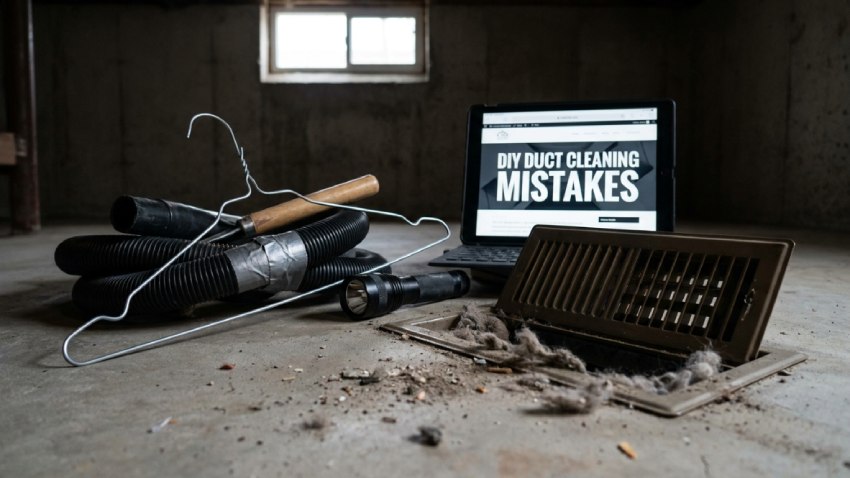
DIY Duct Cleaning Mistakes to Avoid starts with knowing the limit of home cleaning. This section explains why basic vent wiping is different from internal duct cleaning and why mistakes can make dust problems worse.
Many homeowners remove vent covers, insert a vacuum hose, and assume the duct is clean. That only reaches the opening. Dust, debris, mold risk, and loose particles may remain deeper inside the duct or HVAC system.
The most common mistakes include:
- Leaving the HVAC System Running during cleaning.
- Using a weak household vacuum.
- Pushing dust deeper into the duct.
- Ignoring mold-like spots.
- Cleaning without gloves or a mask.
- Forgetting to cover nearby furniture.
- Damaging flexible duct lining.
- Using harsh chemicals inside vents.
- Skipping filter replacement.
- Ignoring moisture or musty smells.
A professional cleaning service can help when duct dust is part of a wider home cleaning issue. In UAE homes, dust can sit in curtains, bedding, carpets, ceiling corners, vents, and AC returns.
If you already notice deep cleaning signs, duct cleaning alone may not fix the problem. Surface dust sources can keep feeding particles back into the system.
|
DIY Mistake |
What Can Happen |
Safer Action |
|
Cleaning while AC runs |
Dust spreads |
Turn system off |
|
Weak vacuum use |
Dust remains |
Clean only vent covers |
|
Deep brushing |
Duct damage |
Stop at visible areas |
|
Ignoring odor |
Mold may remain |
Inspect moisture |
|
No safety gear |
Irritation risk |
Use mask and gloves |
DIY cleaning can help with visible grilles, but it should not replace professional inspection when dust, odor, or black particles keep returning.
Leaving the HVAC System Running: Dust Spread
Leaving the HVAC System Running during duct cleaning is one of the fastest ways to spread particles. This section explains why the system must be off before removing vent covers or disturbing dust.
When the HVAC system runs, air moves through returns, filters, ducts, coils, and vents. If you loosen dust while airflow is active, particles can move into rooms instead of staying controlled. This can irritate people with allergies, asthma, or dust sensitivity.
Before any basic vent cleaning, switch the system off. Do not only lower the thermostat. Make sure the fan is not blowing air through the duct opening while you clean.
This mistake can cause:
- Dust blowing into the room.
- Particles landing on bedding.
- Debris moving deeper inside ducts.
- Dirty return airflow.
- Faster filter clogging.
- More cleaning work afterward.
In UAE homes, dust can build up quickly because outdoor sand, construction residue, and frequent AC use affect indoor surfaces. If dust builds up soon after cleaning, the air path and room dust sources should both be checked.
Airflow can also affect indoor air quality when dust moves through bedrooms and living rooms repeatedly. This is why cleaning while the fan runs is a poor choice.
|
Step |
Correct Action |
Why It Helps |
|
Before cleaning |
Turn the HVAC off |
Stops dust movement |
|
During cleaning |
Keep the vent open area controlled |
Reduces spread |
|
After cleaning |
Replace or check the filter |
Captures loose particles |
|
Final step |
Wipe nearby surfaces |
Removes settled dust |
The safest home-level step is simple. Clean only visible vent covers and nearby surfaces with the system off. If dust comes out of the duct itself, book an inspection instead of pushing deeper.
Improper Vacuum Usage: Hidden Damage
Improper Vacuum Usage can leave dust behind, damage duct material, or push debris further inside. This section explains why a household vacuum is not the same as professional duct cleaning equipment.
Most home vacuums are built for floors, furniture, and surface dust. They are not designed for internal ductwork, long duct runs, or heavy debris. A narrow hose may only disturb dust instead of removing it.
Improper vacuum use may cause:
- Dust pushed deeper inside.
- Scratched duct surfaces.
- Torn flexible duct liner.
- Loose debris scattered.
- Poor suction inside long ducts.
- Filter overload in the vacuum.
- Dust leakage back into the room.
Some residents try diy duct cleaning with long brushes or makeshift tools. This is risky because flexible ducts and lined duct sections can be damaged easily.
A professional ac duct cleaning service uses stronger equipment and controlled methods. Proper cleaning focuses on removing contamination from the source, not only touching the first few inches of the duct.
|
Tool Mistake |
Possible Problem |
Better Choice |
|
Long brush |
Tears duct liner |
Avoid deep brushing |
|
Weak vacuum |
Leaves debris |
Clean grille only |
|
No filter check |
Dust recirculates |
Replace filter |
|
Harsh chemicals |
Odor or residue |
Avoid inside ducts |
|
Forceful scraping |
Duct damage |
Stop and inspect |
Vacuuming a vent cover is fine. Vacuuming deep inside ducts without knowing the material is not. If you cannot see what you are cleaning, you may be causing damage without noticing.
Ignoring Safety Measures: Health Risks
Ignoring Safety Measures can turn a simple cleaning task into a health and hygiene problem. This section explains the basic protection needed before cleaning dust, vents, or suspected duct contamination.
Dust inside vents may contain fine particles, pollen, fabric fibres, pest debris, or mold-like material. Disturbing it without protection can irritate the eyes, throat, skin, and breathing. The risk is higher for children, elderly people, and anyone with asthma or allergies.
Use basic protection when cleaning visible vents:
- Wear a mask.
- Use gloves.
- Protect eyes if dust is heavy.
- Cover nearby bedding or furniture.
- Keep children away during cleaning.
- Avoid dry brushing mold-like spots.
- Wash hands after cleaning.
- Ventilate the room if safe.
Families concerned about asthma should be extra careful. Dust disturbance can trigger symptoms in sensitive people, especially in bedrooms.
If dirty air ducts affect children in your home, avoid aggressive DIY cleaning. Kids may react faster to airborne dust because they spend long hours indoors and sleep close to AC airflow.
|
Safety Risk |
What It Can Cause |
Safer Step |
|
No mask |
Dust inhalation |
Wear protection |
|
Dry mold brushing |
Particle spread |
Stop and inspect |
|
Cleaning near bedding |
Dust on pillows |
Cover fabrics |
|
Children nearby |
Exposure risk |
Keep room clear |
|
Chemical sprays |
Irritation |
Avoid duct chemicals |
Safety matters more than speed. If you see mold-like growth, pest droppings, heavy black dust, or damp material, stop DIY cleaning and call for professional inspection.
Area Coverage for DIY Duct Cleaning Mistakes
DIY Duct Cleaning Mistakes to Avoid matters across UAE homes because AC systems run for long hours and dust enters easily. This section covers Ajman, Abu Dhabi, Dubai, and Sharjah.
Highly Rated Duct Cleaning Service In Ajman
Ajman apartments often deal with recurring dust because AC systems run daily and indoor air recirculates through compact rooms. Many residents try to clean vents themselves when dust appears around grilles, but the biggest mistake is pushing the dust deeper into the duct opening. Surface wiping helps, but it does not solve internal buildup.
DIY cleaning is safest when limited to vent covers, nearby walls, and filter checks. If dust blows out when the AC starts, that is no longer a simple surface problem. A full inspection should check filters, returns, ducts, and possible ceiling dust entry.
A professional cleaning service can also reduce dust from bedrooms, curtains, sofas, and hidden corners. This matters because apartment dust often comes from several sources, not the duct alone.
Air Duct Cleaning Company In Abu Dhabi
Abu Dhabi homes can face both dust and humidity, which makes duct cleaning more sensitive. A musty smell near vents may point to moisture around coils, drain pans, or duct insulation. DIY cleaning is risky when dampness or mold-like spots appear because dry brushing can spread particles.
Residents should avoid spraying chemicals into vents. Odor should be inspected, not covered. If the AC smells damp when it starts, the moisture source should be found before any cleaning is done.
For local support, ac duct cleaning Abu Dhabi can be used when there is visible dust, odor, suspected mold, or airflow concern. The best result comes from combining duct inspection with moisture control and safe cleaning methods.
Professional Ac Duct Cleaning In Dubai
Dubai apartments often deal with dust from balconies, corridors, renovation work, nearby construction, and sealed indoor airflow. DIY mistakes happen when residents see black dust near vents and use long brushes or household vacuums inside duct openings. This may disturb hidden debris without removing it properly.
In high-rise homes, dust may also come from curtains, mattresses, carpets, and return grilles. If those sources are not cleaned, ducts can become dusty again. A proper plan should combine filter care, vent cleaning, room cleaning, and HVAC inspection.
People comparing diy vs professional duct cleaning should focus on evidence. Surface dust can be handled at home, but internal duct dust, musty odor, weak airflow, or renovation debris calls for professional help.
Air Duct Cleaning Cost In Sharjah
Sharjah families often notice duct dust first in bedrooms because children and adults spend long hours sleeping under AC airflow. A common DIY mistake is removing vent covers above beds without covering pillows, mattresses, or curtains. Loose dust can settle directly onto sleep surfaces.
Before cleaning, cover bedding and move small items away from the vent area. Turn the HVAC system off, wear a mask, and clean only visible surfaces. If dust returns quickly, the source may be deeper than the grille.
A bedroom deep clean can support safer duct care by removing dust from mattresses, curtains, bedside corners, and soft furnishings. Cleaner bedrooms reduce the dust load that the AC system keeps circulating.
DIY vs Professional Choice: When to Stop
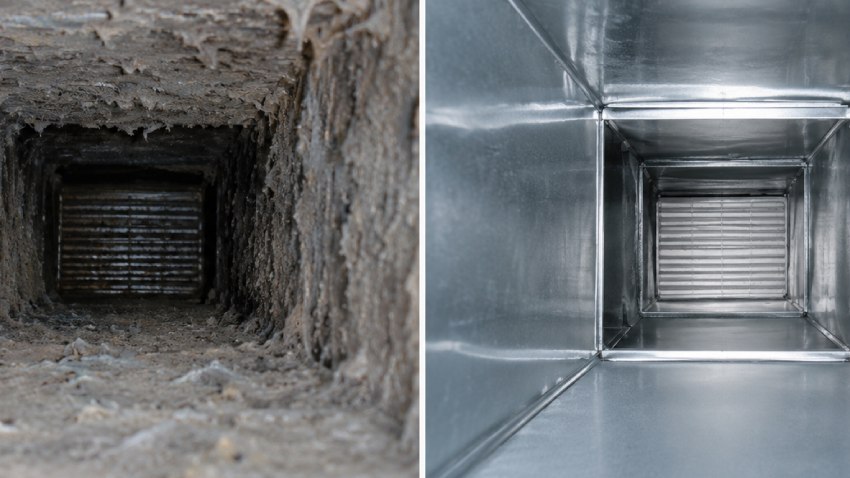
DIY vs professional choice depends on what you can safely see, reach, and control. This section explains when home cleaning is enough and when professional service is the better decision.
DIY cleaning is suitable for basic visible areas. You can remove vent covers carefully, wash grilles, wipe nearby dust, replace filters, and vacuum the floor around the vent. These steps support cleaner airflow.
Stop DIY cleaning when you notice:
- Dust blowing from ducts.
- Musty odor.
- Black particles.
- Pest droppings.
- Damp insulation.
- Weak airflow.
- Mold-like spots.
- Dust is returning fast.
- Recent renovation debris.
A residential deep cleaning service may be useful when the entire home feels dusty, not only the vents. It can reduce dust reservoirs in fabrics, floors, corners, bedrooms, and living rooms.
People checking deep cleaning cost should compare the scope of service. A proper cleaning plan should explain what is included, what is excluded, and whether AC vents or duct checks are part of the work.
|
Situation |
DIY Works |
Professional Better |
|
Dusty grille |
Yes |
Optional |
|
Dirty filter |
Yes |
Optional |
|
Internal duct debris |
No |
Yes |
|
Musty odor |
No |
Yes |
|
Mold-like spots |
No |
Yes |
|
Weak airflow |
Limited |
Yes |
A professional service is worth considering when the problem is inside the HVAC system. DIY cleaning should stay with safe, visible, low-risk areas.
Safer Home Prep: Before Cleaning
Safer home prep helps reduce dust spread before basic vent cleaning. This section gives a simple process that homeowners can follow without damaging ducts or disturbing hidden contamination.
Start by checking whether DIY cleaning is appropriate. If you smell mold, see black particles, notice dampness, or hear pests, do not continue. Book an inspection first.
Safe prep steps:
- Turn off the HVAC system.
- Wear a mask and gloves.
- Cover bedding and furniture.
- Place a cloth below the vent.
- Remove the vent cover gently.
- Wash the grille outside the room.
- Wipe only visible surfaces.
- Replace or check the filter.
- Clean the surrounding floor.
- Turn the system on after the area is clean.
A professional cleaning service can help when dust is spread across the apartment or villa. This is especially useful after renovation, move-in, or long periods without deep cleaning.
You can also compare deep cleaning signs before deciding whether the issue is only duct-related. If dust is on furniture, curtains, skirting, mattresses, and vents together, the home needs a wider plan.
A final prep chart:
|
Step |
Do This |
Avoid This |
|
System |
Turn off HVAC |
Cleaning while running |
|
Protection |
Mask and gloves |
Bare-hand dust handling |
|
Cleaning |
Wipe visible areas |
Deep scraping |
|
Tools |
Soft cloth, light vacuum |
Long rough brushes |
|
Finish |
Replace filter |
Ignoring dirty filters |
For homes where dust, odor, or airflow problems keep returning, cleaning service support can help connect room cleaning with duct inspection and AC care.
Frequently Asked Questions: DIY Duct Cleaning
1. Is DIY duct cleaning safe?
DIY duct cleaning is safe only for visible vent covers, nearby surfaces, and filter replacement. It becomes risky when you reach deep inside ducts, disturb mold-like spots, or use strong chemicals.
2. Should I turn off the AC before cleaning vents?
Yes. Always turn off the HVAC system before cleaning vents. If the system runs during cleaning, loosened dust can blow into rooms and settle on bedding, furniture, and floors.
3. Can I use a household vacuum inside ducts?
A household vacuum can clean vent edges, but it is not suitable for deep duct cleaning. Weak suction and rough attachments may push dust deeper or damage duct material.
4. What should I do if I see black dust in vents?
Clean only the visible grille first. If black dust returns, blows out, smells musty, or appears with dampness, book a professional inspection to identify the source before deeper cleaning.
5. When should I call a professional duct cleaner?
Call a professional when you see dust blowing from ducts, musty odor, mold-like spots, pest debris, weak airflow, renovation dust, or recurring dust after basic cleaning.

