


A scratchy throat can come from many causes, including infection, allergies, dehydration, smoke, dust, or dry indoor air. But when throat irritation gets worse indoors, appears after the AC starts, or comes with a musty smell, the duct system may need attention. The serious step is to check for Mold, Dust & Dander, and Dry Air before assuming it is only a seasonal issue. The experienced solution is to inspect filters, vents, duct hygiene, humidity levels, and hidden moisture sources together.
Can Dirty AC Ducts Cause Throat Irritation?
.jpg)
Dirty AC ducts may cause throat irritation when dust, mold particles, dander, and dry airflow keep circulating indoors. This section explains the link while keeping medical symptoms in proper context.
Can Dirty AC Ducts Cause Throat Irritation? Yes, they can contribute to it, especially when irritation appears mostly indoors or becomes worse when the AC system runs.
The throat is sensitive to airborne particles. When ducts, filters, vents, return grills, coils, or drain pans are dirty, the AC may move irritants through bedrooms, living rooms, offices, and closed indoor spaces.
A professional cleaning service can inspect whether the issue is surface dust, dirty filters, mold-prone moisture, clogged return vents, or deeper duct contamination.
Common AC-related throat clues include:
- Scratchy throat indoors
- Coughing after AC starts
- Musty smell from vents
- Dust around grills
- Dry throat after sleeping
- Sneezing in cooled rooms
- Blocked nose with throat tickle
- Dust returning after cleaning
- Weak airflow
- Visible dark spots near vents
|
Throat Clue |
Possible AC Link |
|
Dry throat at night |
Low humidity or cold airflow |
|
Musty smell |
Moisture or mold concern |
|
Dusty vents |
Dirty filters or ducts |
|
Cough after AC starts |
Airborne irritants |
|
Symptoms improve outside |
Indoor trigger possible |
|
One room feels worse |
Local vent or duct issue |
AC cleaning does not treat throat infection or medical disease. It helps reduce avoidable dust, odour sources, and airflow irritants when the AC system is part of the pattern.
Mold: Damp Duct Risk
Mold can grow when moisture, dust, and poor airflow collect inside AC components. This section explains how mold spores may irritate the throat and when inspection becomes important.
Mold is one of the most important AC hygiene concerns because it needs moisture and organic material. AC systems can provide both when condensation forms around coils, drain pans, insulation, or duct surfaces.
When mold grows inside damp AC sections, airflow may carry spores or fragments into rooms. Sensitive people may notice throat irritation, coughing, sneezing, sinus pressure, watery eyes, or stronger asthma symptoms.
Mold risk increases when there is:
- Musty odour
- Wet drain pan
- Blocked drain line
- Damp filter
- Visible dark specks
- Wet insulation
- Poor airflow
- High humidity
- Dirty coil
- Long AC runtime
For mold-focused cleaning, air duct cleaning for mold removal helps explain why physical source removal matters more than fragrance or surface wiping.
|
Mold Warning |
What to Check |
|
Musty smell |
Coil, duct, drain pan |
|
Black or green specks |
Vent frame and duct surface |
|
Water leak |
Drain line or pan |
|
Damp filter |
Moisture source |
|
Symptoms near AC |
Airflow exposure |
|
Odour after startup |
Hidden growth area |
For asthma-sensitive readers, ac ducts trigger asthma attacks is a closely related guide because mold may affect people with asthma more strongly.
Visible mold or recurring musty odour should be inspected carefully. Spraying perfume into the vent is not a safe solution.
Dust & Dander: Scratchy Air
Dust & Dander can irritate the throat when the AC repeatedly circulates particles from vents, filters, carpets, pets, bedding, or renovation residue. This section explains the everyday trigger.
Dust & Dander are common causes of scratchy indoor air. Ducts and return vents can collect fine dust, pollen, pet hair, skin flakes, dust mite debris, and construction particles.
When the AC runs, these particles may move through the home again and again. The throat can feel dry, tickly, raw, or irritated, especially after sleeping under cooled airflow.
Common dust sources include:
- Dirty filters
- Pet dander
- Dusty return grills
- Renovation dust
- Fine sand
- Carpet dust
- Bedding fibres
- Curtain dust
- Furniture dust
- Floor vent debris
For allergy-related symptoms, dirty ac ducts can help readers understand why sneezing, itchy eyes, and throat discomfort may appear indoors.
|
Particle Source |
Possible Symptom |
|
Pet dander |
Sneezing and throat tickle |
|
Dusty vents |
Coughing after AC starts |
|
Dirty filter |
More particles indoors |
|
Renovation dust |
Harsh throat irritation |
|
Return grill dust |
Recirculated debris |
|
Fine sand |
Scratchy dry feeling |
For wider surface dust around rooms, residential deep cleaning can support duct hygiene by reducing particles on floors, curtains, furniture, and bedding.
Dust control works best when room surfaces, filters, vents, and ducts are considered together.
Dry Air: Throat Burn
Dry Air can make the throat feel parched, scratchy, or burning, especially when AC runs for long hours. This section explains humidity balance and overnight irritation.
Dry Air is another reason AC use can irritate the throat. Air conditioning removes moisture from the air, and long cooling hours can make bedrooms feel dry for sensitive people.
Dry throat is often worse in the morning because the person has breathed cooled air for several hours. Mouth breathing from congestion can make the irritation stronger.
Dry-air triggers include:
- Long AC runtime
- Very cold settings
- Low indoor humidity
- Blocked nose
- Mouth breathing
- Direct airflow at the bed
- Dirty filters
- Dusty vents
- Poor room ventilation
- Dehydration
A humidity range around 30% to 50% is usually a practical target. Too much humidity can encourage mold, while air that feels too dry may irritate the throat and nose.
|
Indoor Condition |
Throat Effect |
|
Very dry room |
Scratchy throat |
|
Cold direct airflow |
Morning irritation |
|
Mouth breathing |
Dryness and cough |
|
High humidity |
Mold risk |
|
Dirty filter |
Dust exposure |
|
Poor airflow |
Comfort imbalance |
For sinus-related symptoms, ac duct mold and sinusitis may be useful because throat irritation often appears with post-nasal drip, congestion, and sinus pressure.
Dry air should be balanced, not overcorrected. Excess humidity can create a different AC hygiene problem.
Warning Signs Indoors: Spot Patterns
Warning Signs Indoors help identify whether throat irritation may be connected to the AC system. This section covers timing, odour, visible dust, room patterns, and symptom changes.
The strongest clue is repetition. If throat irritation gets worse after the AC starts or improves when you leave the home, indoor air should be checked.
A musty smell, visible dust around vents, black specks, or fast dust return after cleaning may point to AC hygiene concerns. One room feeling worse than others may suggest a local vent, duct, or airflow issue.
Watch for:
- Throat irritation indoors
- Symptoms improve outside
- Musty AC smell
- Dark spots near vents
- Dusty return grills
- Cough after AC starts
- Dry throat after sleep
- More symptoms in one room
- Headache with stale air
- Visible dust blowing out
For a technical inspection framework, hvac duct cleaning checklist in the uae can help readers know what professionals should check.
|
Pattern |
What It Suggests |
|
Worse with AC |
Airflow trigger possible |
|
Better outdoors |
Indoor source possible |
|
Musty smell |
Moisture concern |
|
Dusty grill |
Filter or duct issue |
|
One room worse |
Local duct/vent issue |
|
Morning throat pain |
Dry airflow or dust |
A pattern does not prove ducts are the only cause. It shows the AC system deserves inspection.
Filter and Humidity Steps: Start Here
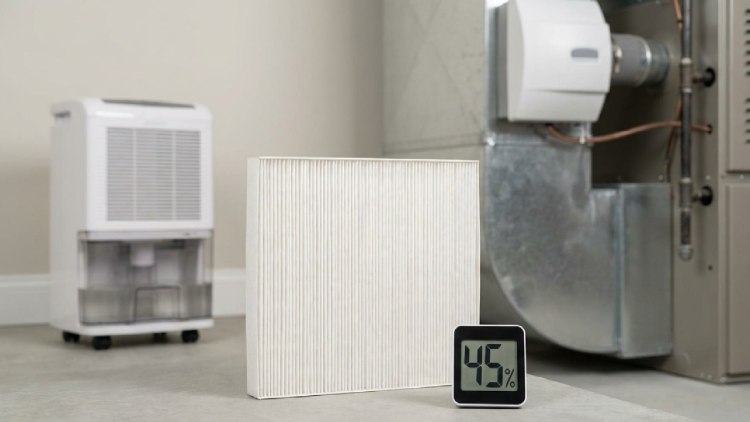
Filter and Humidity Steps are the first practical fixes before deeper cleaning. This section explains filter changes, return grill cleaning, moisture balance, and daily prevention.
Start with the filter because it is the easiest checkpoint. A clogged, loose, damp, or old filter can let dust move through the system and reduce airflow.
Many UAE homes should check filters monthly and clean or replace them every 1 to 3 months, depending on AC use, dust, pets, allergies, and manufacturer guidance.
Helpful steps include:
- Check filters monthly
- Replace dirty filters
- Clean return grills
- Keep vents open
- Avoid blocking airflow
- Monitor humidity
- Keep humidity around 30% to 50%
- Fix water leaks
- Clean visible vent dust
- Avoid strong fragrances
For fatigue and poor sleep linked with AC hygiene, ac duct hygiene offers related internal reading.
|
Action |
Why It Helps |
|
Replace filter |
Reduces recirculated dust |
|
Clean return grill |
Improves air pathway |
|
Humidity control |
Balances dryness and mold risk |
|
Keep vents open |
Supports airflow |
|
Fix leaks |
Reduces moisture |
|
Clean surfaces |
Lowers dust load |
These steps can reduce throat irritants, but persistent odour, visible mold, or recurring symptoms need deeper inspection.
Professional AC Cleaning: Remove Sources
Professional AC Cleaning is needed when dust, mold odour, throat irritation, or visible contamination keeps returning. This section explains what proper AC duct cleaning should include.
A quick vent wipe may not reach the real source. Dust and moisture can remain inside ducts, coils, drain pans, return lines, and blower areas.
A professional service should inspect, remove, clean, and verify. It should not rely only on fragrance spray, fogging, or a visible vent wipe.
A proper service may include:
- Pre-cleaning inspection
- Vent and grill removal
- Return duct inspection
- Supply duct cleaning
- HEPA vacuum extraction
- Mechanical agitation where suitable
- Coil inspection
- Drain pan cleaning
- Drain line flushing
- Safe sanitising when needed
- Before-and-after proof
- Filter and humidity advice
For targeted service, ac duct cleaning should focus on dust removal, duct hygiene, moisture control, and visible proof of work.
A professional cleaning service should also explain whether the throat irritation may be linked to dust, dry air, mold-like growth, blocked filtration, or humidity imbalance.
|
Cleaning Step |
Why It Matters |
|
Inspection |
Finds the source |
|
Duct cleaning |
Removes hidden dust |
|
Coil check |
Finds moisture risk |
|
Drain flushing |
Reduces mold conditions |
|
Filter guidance |
Improves prevention |
|
Proof photos |
Confirms completed work |
For apartment residents, air duct cleaning worth may help decide whether symptoms, odour, or visible dust justify service.
Area Coverage for Dirty AC Ducts and Throat Irritation
Dirty AC ducts and throat irritation concerns vary by humidity, dust, AC runtime, property type, and cleaning history. These UAE area sections explain what Ajman, Abu Dhabi, Dubai, and Sharjah residents should check.
Apartment Ac Duct Cleaning In Ajman
Ajman apartments often use AC for many hours, especially in bedrooms and living rooms. If the filter, return grill, or vent pathway is dirty, cooled air may carry dust that irritates the throat overnight.
Residents should check whether throat irritation appears after sleeping or after staying in one room for several hours. A musty smell, dusty vent rim, or dry morning throat may point to an AC comfort issue.
A proper Ajman inspection should include vents, filters, return air pathways, duct interiors, coils, and drain pans. Cleaning only the visible grill may not help if dust or moisture sits deeper in the system.
Residential Ac Duct Cleaning In Abu Dhabi
For ac duct cleaning Abu Dhabi, residents should check both dust and humidity. Villas and apartments may have different AC layouts, duct access points, and moisture-prone zones.
Throat irritation can appear when dry air, mold odour, or dust moves through cooled rooms. If symptoms improve outside the home, the AC system should be inspected carefully.
A strong service should include filter checks, vent cleaning, duct inspection, coil review, drain line flushing, and before-and-after proof. Humidity guidance should be part of the final recommendation.
Home Hvac Duct Cleaning In Dubai
Dubai homes can face fine dust, long AC operation, and closed indoor spaces. That combination can create throat irritation when filters are dirty or rooms become too dry overnight.
Residents should watch for symptoms that repeat indoors, especially in bedrooms with direct AC airflow. A dry throat, coughing, dusty smell, or visible vent dust should be noted before booking a cleaning.
For DIY concerns, diy duct cleaning is useful because improper tools may push dust deeper or damage duct material.
Low Cost Ac Duct Cleaning For Homes In Sharjah
Sharjah families with children, elderly relatives, or sensitive occupants should take repeated throat irritation and dusty AC airflow seriously. Children may react strongly to dry air, dust, dander, and mold-prone airflow.
A proper AC hygiene check should include filters, vents, return grills, coils, ducts, drain pans, and humidity balance. Musty odour or visible dark specks should not be ignored.
For family-focused concerns, dirty air ducts affect can help explain why children and sensitive occupants may notice indoor air problems faster.
Frequently Asked Questions
1. Can dirty AC ducts make my throat sore?
Yes, dirty AC ducts may contribute to a sore or scratchy throat by circulating dust, dander, mold particles, or dry air. Persistent throat pain should be checked medically.
2. Why does my throat hurt when the AC is on?
The AC may be drying the air, blowing dust, or spreading mold-related odour from damp components. Check filters, vents, humidity, and signs of moisture.
3. Can mold in AC ducts irritate the throat?
Yes, mold exposure can irritate the throat, nose, eyes, and lungs in some people. Musty odour or visible spots near vents should be professionally inspected.
4. Should I use a humidifier with AC?
A humidifier may help if air is too dry, but humidity should not be raised too much. Aim for balanced indoor humidity around 30% to 50% where practical.
5. When should I book AC duct cleaning?
Book inspection when throat irritation appears with musty odour, visible dust, mold-like spots, weak airflow, symptoms that worsen indoors, or dust returning quickly after cleaning.

