


Breathing discomfort at home can come from allergies, asthma, infection, smoke, pollution, humidity, or poor indoor air. But when coughing, sneezing, throat irritation, congestion, or wheezing gets worse after the AC starts, dirty ducts may be part of the problem. The serious step is to check for Allergies, Asthma Flare-Ups, and Respiratory Infections and General Irritation without guessing. The experienced solution is to inspect filters, vents, ducts, coils, drain pans, humidity, and visible contamination before symptoms keep returning.
Can Dirty AC Ducts Cause Respiratory Problems?
.jpg)
Dirty AC ducts can contribute to respiratory problems when they circulate dust, dander, pollen, mold particles, and debris through indoor air. This section explains the risk clearly without replacing medical advice.
Can Dirty AC Ducts Cause Respiratory Problems? Yes, they can contribute to breathing discomfort, especially when the AC system contains dust buildup, moisture, mold odour, dirty filters, or blocked return vents.
The AC system moves air through ducts, vents, filters, coils, and return pathways. When those parts are dirty, particles may recirculate through bedrooms, living rooms, offices, and closed indoor spaces.
A professional cleaning service can inspect whether the problem is simple surface dust or deeper contamination inside the ducts, filters, coils, drain pans, or return grills.
Possible AC-related symptoms include:
- Coughing
- Sneezing
- Wheezing
- Runny nose
- Itchy eyes
- Throat irritation
- Sinus congestion
- Chest tightness
- Headaches
- Musty odour discomfort
|
Symptom Pattern |
Possible AC Link |
|
Worse when AC starts |
Airflow irritants |
|
Better outdoors |
Indoor trigger possible |
|
Musty smell |
Moisture or mold concern |
|
Dusty vents |
Filter or duct buildup |
|
Weak airflow |
Blocked filter or duct issue |
|
Symptoms in one room |
Local duct or vent problem |
Dirty ducts are not the only cause of breathing issues. But they should be checked when symptoms follow an indoor AC pattern.
Allergies: Dust Triggers
Allergies can worsen when ducts circulate dust, pollen, pet dander, and dust mite debris. This section explains how common particles may trigger sneezing, runny nose, and itchy eyes.
Allergies are one of the most common complaints linked with dirty AC airflow. Dust can collect in vents, return grills, duct surfaces, filters, furniture, carpets, curtains, and bedding.
When the AC runs, particles may move back into the air. Sensitive people may notice sneezing, watery eyes, nasal congestion, skin irritation, or throat tickle.
Common allergy triggers include:
- Dust
- Pollen
- Pet dander
- Dust mite debris
- Fine sand
- Construction dust
- Fabric fibres
- Mold fragments
- Dirty filters
- Return grill buildup
For allergy-specific reading, dirty ac ducts can help readers understand why symptoms may increase inside cooled rooms.
|
Allergy Trigger |
Where It Collects |
|
Pet dander |
Return vents, carpets, filters |
|
Pollen |
Filters and duct surfaces |
|
Dust mites |
Soft furnishings and dust |
|
Mold fragments |
Damp AC areas |
|
Construction dust |
Ducts after renovation |
|
Fine sand |
Vents and filters |
For wider surface dust control, residential deep cleaning can support AC hygiene by reducing dust on floors, bedding, curtains, carpets, and furniture.
Allergy relief often needs both duct hygiene and room hygiene. Cleaning one without the other may leave irritants behind.
Asthma Flare-Ups: Mold Risk
Asthma Flare-Ups may happen when mold, dust, pollen, and poor airflow irritate sensitive airways. This section explains AC-related triggers and when symptoms need urgent care.
Asthma Flare-Ups can be triggered by indoor particles in sensitive people. Mold spores, dander, dust, smoke residue, and stale airflow may worsen coughing, wheezing, chest tightness, or shortness of breath.
Damp AC components are especially important. Coils, drain pans, wet insulation, and blocked drains can support mold or mildew growth if moisture stays in the system.
AC asthma triggers may include:
- Mold spores
- Dust buildup
- Pet dander
- Dirty filters
- Strong odours
- Poor airflow
- Humidity imbalance
- Stale indoor air
- Damp insulation
- Dirty drain pans
For readers with asthma concerns, ac ducts trigger asthma attacks gives a more focused internal guide.
|
Asthma Concern |
What to Inspect |
|
Wheezing indoors |
Ducts and filters |
|
Musty smell |
Coil and drain pan |
|
Night coughing |
Bedroom AC airflow |
|
Chest tightness |
Dust and mold exposure |
|
Weak airflow |
Filter restriction |
|
Visible spots |
Mold inspection |
Anyone with severe breathing difficulty, chest tightness, blue lips, confusion, or worsening asthma symptoms should seek urgent medical care. AC cleaning should never delay medical help.
Respiratory Infections and General Irritation: Warning Signs
Respiratory Infections and General Irritation can become a bigger concern when dirty ducts combine with moisture, mold, and poor filtration. This section explains warning signs and practical caution.
Respiratory Infections and General Irritation are different from simple dust discomfort, but indoor air quality can still affect breathing comfort. Dirty AC ducts may contribute to coughing, throat irritation, sinus congestion, and stale-air discomfort.
Moist AC areas may support mold or bacterial buildup if drain pans, coils, and filters are neglected. People with weak immunity, chronic lung disease, asthma, or allergies should be more cautious.
Warning signs include:
- Persistent coughing indoors
- Repeated congestion
- Sore throat after AC use
- Musty smell from vents
- Dark specks near grills
- Wet AC areas
- Headache indoors
- Breathing discomfort at night
- Symptoms after renovation
- Symptoms improve away from home
For vulnerable people, ac ducts affect people is an important related guide.
|
Warning Sign |
Why It Matters |
|
Repeated cough |
Airway irritation possible |
|
Musty odour |
Moisture source likely |
|
Sinus congestion |
Dust or mold irritation |
|
Wet drain pan |
Microbial growth risk |
|
Sore throat |
Dry or dusty airflow |
|
Symptoms indoors |
Environmental clue |
For throat-specific symptoms, ac ducts cause throat irritation, which can help readers understand dry air, dust, dander, and mold-related irritation.
Respiratory infections should be assessed by a healthcare provider. Duct cleaning supports cleaner indoor air pathways but does not replace medical diagnosis or treatment.
Dirty Duct Causes: Hidden Buildup
Dirty Duct Causes often include dust, humidity, blocked filters, renovation debris, pets, and poor maintenance. This section explains how contamination builds inside AC systems.
Dirty AC ducts usually develop gradually. Dust enters through return air, poor filtration, open windows, renovation work, pets, or fine outdoor particles.
In UAE homes, long AC runtime can make the buildup more noticeable. Fine dust, high humidity, closed rooms, and frequent cooling may create conditions where ducts, coils, filters, and drain pans need regular attention.
Common buildup sources include:
- Dust and debris
- Pet hair and dander
- Pollen
- Mold spores
- Renovation dust
- Dirty return grills
- Clogged filters
- Wet drain pans
- Dirty evaporator coils
- Leaky duct sections
For mold and sinus-related symptoms, ac duct mold and sinusitis provides a useful internal pathway.
|
Buildup Source |
Possible Result |
|
Dirty filter |
More particle recirculation |
|
Wet drain pan |
Mold or odour risk |
|
Renovation dust |
Heavy duct debris |
|
Pet dander |
Allergy symptoms |
|
Return grill dust |
Recirculated particles |
|
Damp coil |
Moisture-related odour |
A dirty duct problem is rarely only inside the duct. Filters, vents, coils, drain pans, and room surfaces often work together.
Filter and Humidity Control: First Steps
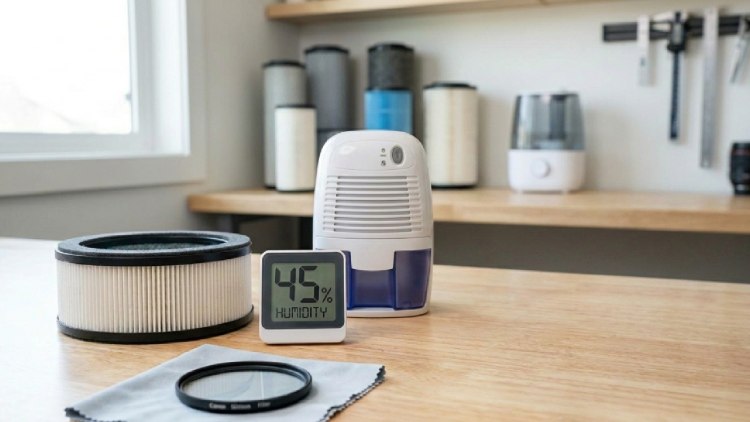
Filter and Humidity Control should come before deeper assumptions. This section explains filter replacement, humidity range, drain cleaning, and practical prevention.
The easiest first step is to inspect the filter. A clogged, damp, loose, or wrong-sized filter can let dust pass into the AC system or restrict airflow.
Many UAE homes should check filters monthly and clean or replace them every 1 to 3 months, depending on dust, pets, allergies, renovation history, and AC runtime.
Practical steps include:
- Check filters monthly
- Replace dirty filters
- Clean return grills
- Keep vents open
- Avoid blocking airflow
- Monitor humidity
- Keep humidity around 30% to 50%
- Flush drain lines when needed
- Fix AC leaks quickly
- Reduce room dust
For fatigue connected with poor indoor comfort, ac duct hygiene may help readers understand sleep disruption, headaches, congestion, and tiredness.
|
First Step |
Why It Helps |
|
Replace filter |
Reduces dust circulation |
|
Clean the return grill |
Improves airflow pathway |
|
Control humidity |
Reduces mold growth |
|
Flush drain line |
Stops standing water |
|
Keep vents open |
Balances airflow |
|
Clean room dust |
Reduces particle load |
Humidity control is especially important. Too much moisture supports mold, while overly dry air can irritate the throat and nose.
Professional AC Cleaning: Source Removal
Professional AC Cleaning is useful when dust, odour, mold signs, weak airflow, or respiratory symptoms keep returning. This section explains what a proper service should include.
A quick vent wipe may improve appearance, but it does not clean the deeper AC pathway. Dust and contaminants may remain inside ducts, return lines, coils, drain pans, and blower areas.
A professional service should inspect the system, remove visible components when appropriate, clean duct pathways, check moisture-prone areas, and provide before-and-after proof.
A proper service may include:
- Pre-cleaning inspection
- Vent and grill removal
- Return duct inspection
- Supply duct cleaning
- HEPA vacuum extraction
- Mechanical agitation where suitable
- Coil inspection
- Drain pan cleaning
- Drain line flushing
- Safe sanitizing when needed
- Final airflow check
- Photo or video proof
For targeted work, ac duct cleaning should focus on physical debris removal, safe methods, duct hygiene, and post-cleaning verification.
A professional cleaning service should explain whether the issue was dust, mold-like growth, blocked filtration, moisture, poor airflow, or dirty coils.
|
Service Step |
Why It Matters |
|
Inspection |
Finds the source |
|
Duct cleaning |
Removes hidden debris |
|
Coil check |
Finds damp buildup |
|
Drain cleaning |
Controls moisture |
|
HEPA extraction |
Captures fine particles |
|
Proof photos |
Confirms completion |
For service quality expectations, hvac duct cleaning checklist in the uae can help homeowners understand what should happen during a professional visit.
Area Coverage for Dirty AC Ducts and Respiratory Problems
Dirty AC ducts and respiratory problems vary by humidity, dust exposure, property type, AC runtime, and maintenance history. These UAE area sections explain what Ajman, Abu Dhabi, Dubai, and Sharjah residents should check.
Reliable Ac Duct Cleaning Service In Ajman
Ajman apartments often rely on AC for long hours in bedrooms and living spaces. When filters, return grills, vents, coils, or drain pans are neglected, dust and odour may circulate in closed rooms.
Residents should watch for coughing, sneezing, throat irritation, or congestion that appears after the AC starts. Symptoms that improve outside the apartment may suggest an indoor air review is needed.
A proper Ajman inspection should include filters, vents, return air pathways, duct interiors, drain pans, and coil surfaces. Cleaning the visible grill alone may not solve deeper dust or moisture problems.
Residential Ac Duct Cleaning In Abu Dhabi
For ac duct cleaning Abu Dhabi, residents should focus on full system inspection, not only visible vent wiping. Abu Dhabi villas and apartments can have different duct layouts and AC access points.
If respiratory discomfort appears with musty airflow, visible vent dust, or weak cooling, the AC pathway should be checked carefully. Moisture-prone areas such as coils and drain pans deserve special attention.
A strong service should include vent cleaning, duct inspection, filter checks, coil review, drain flushing, safe sanitising when needed, and proof of work. This gives homeowners a clearer picture of the actual source.
Residential Ac Duct Cleaning In Dubai
Dubai homes may face fine dust, construction particles, long AC runtime, and sealed indoor spaces. That combination can allow dust to build up around filters, return vents, and duct pathways.
Residents should be cautious when symptoms appear mostly indoors. Repeated sneezing, coughing, blocked nose, or throat irritation may be linked to dust, dry air, or mold-prone moisture.
For apartment residents asking whether air duct cleaning worth applying, the answer depends on odour, visible dust, symptoms, pets, renovation history, and inspection evidence.
Residential Ac Duct Cleaning In Sharjah
Sharjah families with children, elderly relatives, or sensitive occupants should take recurring AC-related respiratory symptoms seriously. Dusty airflow can be more noticeable in bedrooms and closed family rooms.
A proper AC hygiene check should include filters, ducts, vents, coils, drain pans, and moisture-prone areas. Musty smell, visible dark specks, or repeated symptoms after AC use should not be ignored.
For parents, dirty air ducts affect can help explain why children may react more quickly to indoor dust, dander, and poor AC hygiene.
Frequently Asked Questions
1. Can dirty AC ducts make you cough?
Yes, dirty AC ducts may contribute to coughing by circulating dust, dander, mold particles, or dry air. Persistent coughing should be checked by a healthcare provider.
2. Can AC ducts make asthma worse?
Dirty or mold-prone ducts may worsen asthma symptoms in sensitive people. Wheezing, chest tightness, or shortness of breath should be taken seriously and medically reviewed.
3. How do I know if ducts affect my breathing?
Look for symptoms that worsen indoors, appear after AC starts, improve outside, or come with musty odour, dusty vents, weak airflow, or visible dark specks.
4. How often should AC filters be changed?
Many homes should check filters monthly and clean or replace them every 1 to 3 months, depending on AC use, dust exposure, pets, allergies, and manufacturer guidance.
5. Is DIY duct cleaning safe for breathing issues?
DIY duct cleaning may push dust deeper or disturb mold if done incorrectly. diy duct cleaning is not ideal when respiratory symptoms or mold are involved.

