


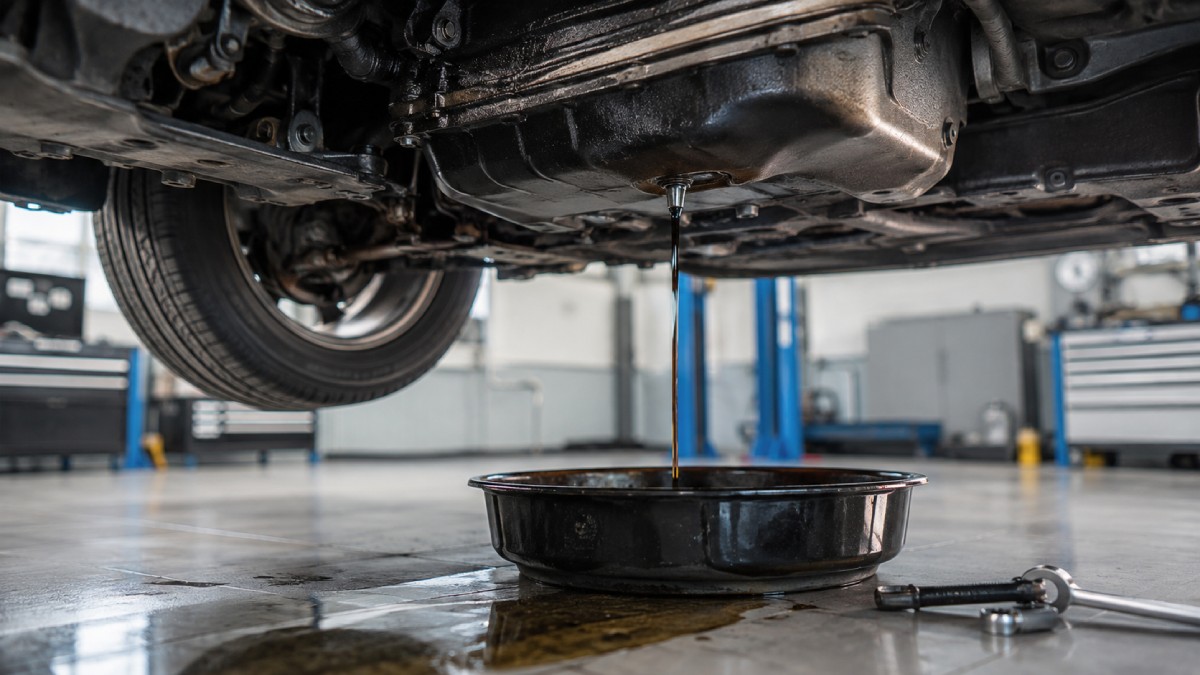
A puddle under the car can look simple, but the wrong guess can lead to wasted repairs or engine damage. How to Repair an Oil Leak in a Car? starts with one rule: confirm the fluid, check the oil level, then trace the leak before replacing parts.
Many leaks begin after an oil change, around the drain plug, washer, or oil filter. Others start higher on the engine and run down to the oil pan. This guide explains how to identify the leak, judge whether the car is safe to drive, repair the likely cause, and verify the fix.
Quick Check: If the oil level is dropping or the leak began after a recent oil change, schedule car oil repair in UAE before driving far enough to risk engine damage.
How to Repair Oil Leak on a Car?

The correct oil leak repair depends on the source. Do not start with sealant, random gasket replacement, or extra tightening. Start with fluid identification, oil-level checking, and a clean inspection area.
Oil Leak First-Check Table
|
What You See |
What It Usually Means |
What To Do First |
|
Brown, amber, or black oily liquid |
Possible engine oil leak |
Check dipstick before starting |
|
Clear water near passenger-side front |
Often AC condensation |
Confirm texture and smell |
|
Leak began after oil change |
Plug, washer, or filter issue likely |
Inspect drain plug and filter |
|
Oil covers underside |
Source may be higher up |
Clean residue and trace fresh oil |
|
Oil-pressure warning appears |
Possible unsafe oil pressure |
Stop and assess immediately |
|
Burning smell or smoke |
Oil may be hitting hot surfaces |
Inspect before continuing to drive |
A useful oil leak repair begins with separation: engine oil is slick and leaves an oily film, while AC condensation is usually clear water. Many drivers mistake one for the other, so the first step is not repair. It is confirmation.
Once you confirm engine oil, check the dipstick. A car with a visible oil leak and no oil on the dipstick should not be treated like a minor drip. Low oil pressure can damage internal engine components quickly, which is why warning lights and oil level matter before any repair decision.
How to Tell the Fluid Is Engine Oil?
Engine oil is usually amber when fresh, then brown or black as it ages. It feels slippery between your fingers and may leave a darker stain on concrete. If the puddle is clear and odorless, especially after using the AC, it may be condensation rather than an oil leak.
The location also helps. Engine oil often appears under the engine bay, but it can travel along shields, crossmembers, and the underside before dripping. That is why a puddle location only gives a clue, not a diagnosis.
If the oil leak appears with overheating symptoms, treat the situation carefully. Oil is not coolant, but a lubrication problem can exist alongside heat-related engine stress; the engine overheating causes help explain why temperature warnings should not be ignored.
Check the Oil Level Before Driving
Before you repair an oil leak on a car, park on level ground and let the engine sit for a few minutes. Pull the dipstick, wipe it clean, reinsert it fully, then check the level again. The level should sit between the minimum and maximum marks.
If the level is low but still visible, topping up with the correct oil may help you move the car a short distance for inspection. If no oil shows on the dipstick, do not assume a top-up makes it safe. A rapid leak can empty the sump again once the engine starts.
This is where many small oil leak decisions become expensive. A dry dipstick, oil-pressure light, knocking sound, or sudden heavy leak means the repair question changes from “Can I tighten something?” to “How do I prevent serious damage?” The serious engine damage warning signs are worth checking when the leak comes with noise, warning lights, or power loss.
Why Oil Leaks After an Oil Change
If the car did not leak before the oil change and starts leaking soon after, inspect the service points first. The most likely areas are the drain plug, drain-plug washer, oil filter, and filter gasket. These are disturbed during the oil change, so they should be checked before blaming a major gasket.
A loose drain plug can leak immediately. A reused, missing, crushed, or wrong washer can also fail to seal. Overtightening can be just as bad because it may damage the plug threads or distort the oil-pan sealing surface.
The oil filter needs the same attention. A filter can leak if it is loose, overtightened, installed on a dirty surface, or fitted with a pinched seal. In some cases, the old rubber gasket sticks to the filter housing and the new filter gets installed over it, creating a double-gasket leak.
Drain Plug Oil Leak Repair Steps
Start by cleaning the area around the drain plug. Use a safe degreaser and a clean cloth so you can tell whether fresh oil is appearing around the plug. Do not keep tightening the plug blindly.
If fresh oil appears around the drain plug, inspect the washer. Many vehicles use a crush washer or sealing washer that should be replaced when removed. A flattened or damaged washer may not seal even if the plug feels tight.
Next, inspect the threads and the oil-pan surface. A plug that has been cross-threaded or overtightened may not sit squarely. In that case, the repair may require a correct plug, thread repair, or oil-pan repair rather than another washer.
Always tighten the drain plug to the manufacturer’s specification for the vehicle. Generic torque guesses can cause leaks or damage. For drivers planning wider maintenance at the same visit, a complete repair inspection workflow can help clarify what should be checked beyond the oil leak itself.
Oil Filter Leak Repair Steps
An oil filter leak usually appears around the filter base. Clean the area first, then run the engine briefly only if the oil level is safe. Watch for fresh oil forming at the filter seal.
If the filter is loose, it may need proper seating. If the gasket is pinched, torn, dry, doubled, or stuck to the housing, the filter should be removed and replaced correctly. The filter mounting surface should be clean before a new filter is installed.
Do not overtighten the filter to stop a leak. Excessive force can deform the seal or make removal difficult later. A correct filter, clean sealing surface, lightly lubricated gasket where appropriate, and proper installation are better than force.
If the leak has already caused rough running, smoke, or warning lights, inspect more than the filter. Oil reaching ignition components or a low-oil event can create symptoms that overlap with misfire and rough idle causes.
How to Find the Highest Oil Leak Point

Oil runs downward and backward, so the lowest oily part is not always the failed part. A valve-cover gasket leak can coat the side of the engine and make the oil pan look guilty. Splash guards can also hold oil and drip later.
Clean the oily engine areas, let them dry, then inspect with good lighting. Run the engine only if the oil level is safe and no oil-pressure warning is present. Trace fresh oil upward until you find the highest wet point.
When the source is still unclear, a technician may use UV dye and a lamp to trace the leak path. This is especially useful when old oil residue makes the whole underside look wet. Guessing at this stage can turn a small oil leak into unnecessary gasket work.
Common Oil Leak Sources and Fixes
Not every oil leak has the same repair. Some are small sealing issues after maintenance, while others need proper gasket replacement. The table below separates likely sources from the repair logic.
Oil Leak Source and Repair Table
|
Leak Source |
Common Clue |
Repair Direction |
|
Drain plug washer |
Oil around plug after oil change |
Replace washer and inspect threads |
|
Loose drain plug |
Fresh oil at plug |
Tighten to specification |
|
Oil filter gasket |
Oil around filter base |
Reinstall or replace filter correctly |
|
Valve-cover gasket |
Oil high on engine |
Replace gasket and clean mating surface |
|
Oil-pan gasket |
Oil at pan after upper leaks ruled out |
Remove pan and reseal correctly |
|
Internal oil burning |
Oil level drops with no puddle |
Diagnose consumption, not external leak |
A valve-cover gasket oil leak often starts high on the engine. It can cause oil smell, oil near spark-plug areas, or oil running down the side of the engine. Repair usually means replacing the gasket, cleaning the mating surfaces, and tightening parts according to specification.
An oil-pan gasket leak should be diagnosed carefully. Oil on the pan does not automatically mean the pan gasket failed. The pan may simply be the lowest place where oil collects after leaking from above.
If oil loss has continued long enough to damage internal parts, the discussion may move beyond leak repair. In severe cases, drivers may need to understand engine overhaul decision factors before approving major work.
Can You Drive With an Oil Leak?
You may be able to drive a short distance with a small oil leak if the oil level is correct, the leak is slow, and no oil-pressure warning appears. But that is not a universal rule. A small drip while parked can become a fast leak when the engine runs.
Do not drive if the dipstick is dry, the oil-pressure warning stays on, the engine makes knocking sounds, oil sprays under pressure, or smoke appears from oil hitting hot parts. Those signs make the oil leak urgent.
If you must move the car, check the level first, top up only with the correct oil, and monitor the leak. But topping up does not repair the cause. Drivers preparing for testing or registration checks should treat active leaks as part of their renewal test preparation checklist.
Oil Leak While the Engine Is Running
An oil leak that becomes worse while the engine is running needs prompt inspection. Running engines circulate oil under pressure, so leaks around filters, pressure switches, seals, or damaged components may worsen quickly after startup.
Look for oil that appears only after the engine starts. A filter gasket, loose plug, or pressurized oil path can lose oil faster than a parked drip suggests. If the level drops quickly, shut the engine down.
This type of oil leak should not be judged only by the puddle size. The rate of oil loss matters more. A fast-running leak can empty oil faster than a driver expects, especially during stop-and-go driving in hot conditions.
Burning Oil Smell or Smoke From a Leak
A burning smell means leaking oil may be touching hot engine or exhaust surfaces. This can happen with valve-cover gasket leaks, spilled oil after an oil change, or oil running down onto heated components. Smoke from the engine bay should be inspected before continued driving.
First, distinguish spilled residual oil from an active oil leak. Fresh spilled oil may burn off briefly after service, but continuing smoke or a falling dipstick level points to an active issue. Cleaning and rechecking helps separate residue from repair need.
Oil leak symptoms can also appear beside warning lights. A driver may see a check-engine light for a separate reason while also dealing with oil loss, so the check engine light diagnostic basics can help separate engine-management faults from lubrication warnings.
Oil Level Drops With No Puddle
If the oil level keeps dropping but there is no visible puddle, the car may be burning oil internally. That is not repaired by replacing an external gasket. The engine may need inspection for oil consumption, worn internal components, or related issues.
Look for blue exhaust smoke, oil fouling, repeated low-oil readings, or consumption between oil changes. Some oil loss may be gradual, while heavy consumption needs diagnosis. Do not keep topping up without finding the reason.
This situation is especially important when buying a used vehicle. A clean parking spot does not prove the engine is healthy, so oil level history and underside inspection should be part of a used car inspection checklist.
How to Verify the Oil Leak Repair?

After repairing the oil leak, refill the engine with the correct oil to the proper level. Clean the repaired area so new oil is easy to see. Start the engine only when the oil level is safe.
Let the engine run briefly and inspect the repaired area. Watch the drain plug, filter base, valve-cover edge, oil-pan seal, and any area that was wet before. Then shut the engine off, wait a few minutes, and recheck the dipstick.
A proper verification step prevents repeat leaks. It also protects the engine from hidden oil loss after a rushed repair. For UAE drivers dealing with heat-related wear, reviewing summer car part wear patterns can help plan checks before small problems become breakdowns.
Which Oil Leaks Need a Mechanic?
A simple post-oil-change drip from a washer or filter may be straightforward when the source is obvious and the oil level is safe. But a dry dipstick, oil-pressure warning, running leak, stripped plug, damaged oil pan, smoke, or unclear source needs proper diagnosis.
A mechanic can clean, trace, dye-test, torque-check, and confirm whether the leak is from the plug, filter, gasket, seal, or internal consumption. That matters because the wrong repair wastes money and leaves the engine exposed.
Before approving work, ask what evidence confirms the leak source. The answer should be more specific than “oil is everywhere.” When the source is unclear, repair estimate factors can help you understand why diagnosis, access, parts, and verification affect the final repair path.
Oil Leaks and UAE Vehicle Checks
An active oil leak should be fixed before routine vehicle checks, especially if oil is dripping, smoking, or contaminating the underside. Even when the car still runs, a visible leak can point to maintenance neglect or an unresolved mechanical problem.
The safest approach is to repair the source, clean the underside, verify the oil level, and recheck after a short drive. That gives you evidence that the leak has stopped rather than simply been wiped away.
For drivers preparing for inspection, the vehicle inspection requirements can help connect oil leak repair with the wider checks a vehicle may need. During hotter months, summer overheating prevention steps are also relevant when oil loss, heat, and engine strain overlap.
How to Repair Oil Leak on a Car Area Coverage?
Local driving conditions affect how quickly an oil leak should be checked. Heat, traffic, inspection timing, and workshop access can all change the risk of delaying repair.
UAE Service Page
Across the UAE, oil leak repair should begin with fluid identification and dipstick checking before the car is driven further. Long drives, summer heat, and delayed diagnosis can make a small leak more serious if the oil level drops. A UAE-wide inspection should focus on the drain plug, washer, filter, upper gaskets, and oil-pan area before parts are replaced.
Abu Dhabi Service Page
In Abu Dhabi, drivers dealing with an oil leak should avoid assuming the problem is minor just because the car still starts. The correct process is to confirm the fluid, check the oil level, inspect the recent oil-change points, and trace fresh oil from the highest wet area. If the leak appears before renewal or inspection checks, repair and verification should be handled before the appointment.
Dubai Service Page
In Dubai, stop-and-go traffic can make oil leak symptoms more noticeable because the engine spends more time hot and running. A leak that worsens after startup should be checked promptly, especially around the oil filter and drain plug. If the underside is already coated, cleaning and tracing are more reliable than guessing from the lowest oily part.
Sharjah Service Page
In Sharjah, an oil leak after an oil change should be checked at the service points first. A washer, plug, or filter issue can often explain a fresh leak that appears within hours or days. If oil is dripping heavily, the dipstick is low, or the oil-pressure light appears, the car should be assessed before further driving.
Ajman Service Page
In Ajman, oil leak repair should include verification after the fix, not only part replacement. The repaired area should be cleaned, the engine run safely, and the dipstick checked again after shutdown. This helps confirm whether the leak has stopped or whether oil is still escaping from a higher gasket, filter base, or pan area.
Closing CTA
A car oil leak is easier to repair when the source is confirmed before parts are replaced. If the leak started after an oil change, appears around the filter or drain plug, or leaves the dipstick low, arrange car oil repair in UAE with a technician who can inspect the leak path and verify the repair. The goal is simple: protect the engine, fix the actual failed seal or component, and confirm the oil level stays stable after the work is done.
FAQs
How do I know if the oil leak is actually engine oil?
An oil leak usually leaves a slick amber, brown, or black liquid under the engine area. The fluid may feel greasy and stain the ground. Clear, odorless water after using the AC is often condensation, not an oil leak. Before repairing anything, check the dipstick and inspect the fluid’s color, texture, smell, and location.
Why did my car start leaking oil after an oil change?
An oil leak after an oil change often points to parts that were disturbed during the service. The drain plug may be loose, the washer may be reused or damaged, or the oil filter may not be seated correctly. A double filter gasket can also cause a leak. Inspect those areas before assuming a major gasket has failed.
Can I drive my car with an oil leak?
You may be able to drive a short distance with a minor oil leak if the dipstick level is safe and no oil-pressure warning appears. But you should not drive with a dry dipstick, fast oil loss, smoke, knocking, or a persistent warning light. In those cases, the oil leak can quickly become an engine-damage problem.
Can a loose drain plug cause an oil leak?
Yes, a loose drain plug can cause an oil leak, especially soon after an oil change. The plug must seal against the pan with the correct washer and proper tightening. If the washer is missing, crushed, wrong, or reused beyond its sealing ability, the leak may continue even when the plug feels tight.
Why is oil leaking around my oil filter?
Oil leaking around the oil filter can happen when the filter is loose, overtightened, cross-seated, or installed with a damaged seal. Another common issue is an old filter gasket stuck to the housing, creating a double-gasket leak when the new filter is installed. The filter area should be cleaned and inspected for fresh oil.
How do I find an oil leak when the engine is already oily?
When the engine is already oily, clean the residue first and let the area dry. Then inspect for fresh oil after the engine runs only if the oil level is safe. Trace the leak upward to the highest wet point. This matters because oil can run down from a valve-cover gasket and make the oil pan look like the source.
Is an oil-pan gasket always the problem when oil is on the pan?
No. Oil on the pan does not automatically mean the oil-pan gasket is leaking. Oil can run down from the valve cover, filter housing, filler cap, or other upper-engine areas. The oil-pan gasket should be blamed only after leaks from above are ruled out and fresh oil clearly appears at the pan seal.
Why does my car smell like burning oil after a leak?
A burning oil smell can happen when leaking oil touches hot engine or exhaust parts. This may come from a valve-cover gasket leak, spilled oil after service, or oil running down from a higher point. If the smell continues, smoke appears, or the oil level drops, the oil leak should be inspected before further driving.

