


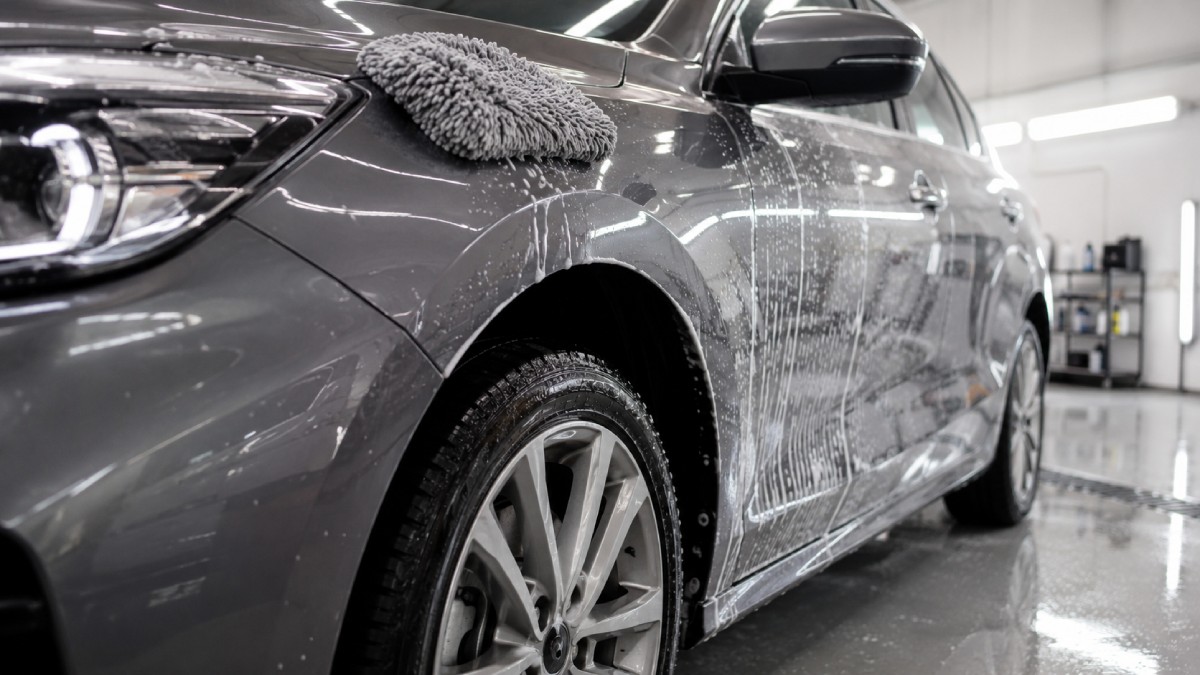
A car can come back from body repair looking ready to drive, but cleaning it the wrong way can leave swirls, water spots, or damage around freshly refinished panels. How To Clean A Car After Body Repair? starts with one rule: do not treat fresh paint, overspray, polishing residue, or sanding dust like normal dirt.
The safest approach is to inspect first, confirm the painter’s cure instructions, then wash only with low-pressure, paint-safe methods. This guide explains what to check, what to avoid, and how to clean repaired paint without turning a small residue problem into a finish defect.
Quick Check: For paint-safe support after repair, check car cleaning aftercare in UAE before washing freshly refinished panels.
How To Clean A Car After Body Repair?

The right post-repair cleaning method depends on what is actually on the vehicle. Fresh paint, body-shop dust, compound residue, overspray, and ordinary road dirt all need different handling. The mistake many owners make is starting with a full wash before checking the repaired areas.
Post-Repair Cleaning Decision Table
|
What you see after body repair |
What it may mean |
Safest first action |
|
Light dust on paint |
Ordinary shop or road dust |
Pre-rinse gently before touching the panel |
|
Rough specks on glass or paint |
Possible overspray |
Photograph it and ask the body shop to inspect |
|
White residue near trim or badges |
Polishing compound or sanding dust |
Check seams, mouldings, and panel gaps before washing |
|
Swirls after the first wash |
Soft paint, dirty wash media, or aggressive drying |
Stop scrubbing and inspect under daylight |
|
Interior dust in vents or cracks |
Sanding or body-shop residue |
Vacuum first, then wipe with suitable interior cleaner |
|
Fresh paint exposed to rain |
Dirt or water minerals on curing paint |
Ask the painter if rinsing or hand washing is allowed |
|
Bird droppings or sticky marks |
Contamination that can mark paint |
Remove gently, then let the painter assess any remaining mark |
Before washing, look at the repaired panel from different angles. Check glass, trim, badges, door jambs, wheel arches, lights, mouldings, and repaired-panel edges. If you recently had collision or paint work completed, it also helps to understand the complete car repair workflow so you know which residues may be left from sanding, masking, polishing, and final delivery checks: complete car repair workflow.
If the repaired area looks contaminated right after delivery, do not rush into clay, polish, solvent, or pressure washing. Photograph the issue first. A body shop should be given a chance to inspect overspray, compound residue, or paint-finishing marks before you try aggressive DIY cleaning.
Inspect Fresh Paint Before Washing
Cleaning after body repair begins before water touches the car. Freshly refinished paint may look dry, but its wash, wax, sealant, or coating timing depends on the paint system, bake cycle, repair size, and the shop’s instructions. There is no safe universal rule that every repaired car must wait exactly seven, thirty, or ninety days.
Ask the body shop direct questions: when can the repaired panel be hand washed, when should pressure washing be avoided, and when can wax, sealant, PPF, or ceramic coating be applied? These are separate questions because washing and protection products do not always have the same approval window.
Look closely for defects that washing cannot fix. Sanding marks, buffing swirls, clearcoat texture problems, blend issues, and dirt trapped under clearcoat may appear during inspection. If gentle cleaning does not remove a mark, treat it as a possible paint-finishing concern rather than dirt.
Remove Body-Shop Residue Carefully
After body repair, the most common visible residue appears around trim, badges, panel gaps, lights, rubber mouldings, glass seams, and jambs. This residue may be polishing compound, sanding dust, masking-line residue, or overspray. Each one needs different handling, so avoid rubbing first and diagnosing later.
Use a clean microfiber towel only for light residue on safe surfaces, and avoid grinding dry dust into fresh paint. For repaired panels, get confirmation from the refinisher before using clay, compound, polish, solvent, or adhesive remover. Those methods can be useful in the right hands, but they are risky on new refinishing.
Overspray on glass is different from overspray on freshly painted panels. Glass can sometimes tolerate tools that paint cannot, but a windshield still needs careful handling because visibility and scratches matter. If a windshield looks sparkly or rough after repair, review the windshield crack assessment process if there is existing glass damage, then ask the shop whether the marks are overspray or another defect: windshield crack assessment process.
Confirm the Painter’s Wash Timing
The most important step in how to clean a car after body repair is getting the correct wash timing from the person or shop that applied the paint. Some refinishing workflows include controlled cleaning before delivery, while owners may still receive different instructions about washing, waxing, or coating afterward.
Ask specific questions instead of asking, “Can I wash it?” A better version is: can I rinse dust off with water, can I hand wash using automotive shampoo, should I avoid pressure washing, and how long should I wait before wax or ceramic coating? This prevents confusion between light cleaning and sealing the paint.
If the car has become dirty from rain, road dust, or bird droppings before the recommended wash window, contact the painter. Do not leave harmful contamination sitting on fresh paint, but do not attack the mark with repeated chemicals either. A gentle rinse or careful spot cleaning may be allowed, but the painter’s instructions should control the method.
Use a Gentle Hand Wash Method
When the painter confirms washing is allowed, use a controlled hand wash. Work in shade, keep panels cool, and avoid washing when the surface is hot. Freshly repaired paint is more vulnerable to water spotting when rinse water dries too quickly.
Start with a gentle pre-rinse to remove loose grit before touching the paint. Use a clean, soft wash mitt or microfiber made for automotive finishes, plus an automotive-compatible shampoo. Avoid household detergent, abrasive sponges, dirty towels, and repeated scrubbing over the repaired panel.
Wash from cleaner upper sections toward dirtier lower sections. Use minimal pressure over the repaired area, especially around edges, badges, trim, mouldings, and freshly refinished transitions. If the vehicle was repaired in Abu Dhabi and you want location-specific support after refinishing, use Abu Dhabi body-repair wash guidance before choosing a wash method.
Avoid Automatic Washes Early
An automatic wash is tempting after body repair because it feels quick. It is not the conservative choice for fresh refinishing. Brushes, reused wash media, unknown chemicals, and high-pressure jets can create scratches or disturb vulnerable edges around repaired panels.
Touchless washes are not automatically safe either. Even without brushes, the process can involve strong detergents and high-pressure water. Fresh paint, loose trim, new mouldings, repaired edges, or overspray-prone areas deserve a gentler approach until the painter approves normal washing.
A hand wash gives you control over pressure, products, and contact. If the car has just been repaired in Dubai, ask for Dubai post-repair hand-wash timing before using an automatic wash on recently refinished panels.
Dry Fresh Paint Without Water Spots
Drying matters as much as washing. Fresh paint can show water spots when hard water or rain droplets dry on hot panels. The safest routine is to rinse thoroughly, keep the vehicle out of direct sun during washing, and dry the surface promptly with clean, soft microfiber towels.
Do not drag a dry towel across dusty paint. If the panel still has grit, rinse again before drying. Use light towel contact and avoid hard pressure over repaired areas, especially if the paint has not reached the shop’s recommended cure point.
After drying, inspect the repaired panel under strong daylight. Some swirl marks, sanding scratches, or finishing defects only become obvious after the first careful wash removes polishing oils or surface residue. If marks remain visible after gentle cleaning, stop and contact the shop.
Clean Interior Dust After Body Repair

Body repair can leave dust inside the cabin if sanding or shop residue enters through doors, vents, carpets, or trim openings. Do not start by wet-wiping dry dust across screens, gloss trim, leather, or plastic. That can create fine scratches.
Vacuum loose dust first, including carpets, seat tracks, door pockets, vents, trunk areas, and cracks around interior trim. Then use surface-appropriate cleaners for plastic, leather, vinyl, glass, and fabric. For vents, use gentle suction and soft detailing tools rather than pushing dust deeper into the system.
Interior cleaning after body repair should be slow and controlled. If a white residue keeps reappearing from vents or seams, document it and ask the repair shop whether additional cleanup is needed. Cleaning should remove contamination, not spread abrasive dust through the cabin.
Handle Overspray and Compound Correctly
Overspray is one of the most common post-body-repair cleaning concerns. It can appear as roughness, tiny dots, sparkle on glass, or a gritty feel on nearby panels. Polishing compound can also dry around badges, trim edges, mouldings, and seams, making the car look poorly finished.
Do not assume every rough surface is ordinary dirt. If the issue appeared immediately after repair, photograph it before cleaning. The shop that performed the work should inspect overspray, compound residue, and paint defects because aggressive removal can create new scratches.
Overspray and Residue Handling Table
|
Area affected |
Avoid first |
Better first step |
|
Fresh repaired paint |
Clay, solvent, polish, hard rubbing |
Ask the refinisher to inspect |
|
Original cured paint |
Aggressive solvent testing |
Confirm contamination type first |
|
Glass |
Dry scraping without diagnosis |
Ask whether it is overspray or glass damage |
|
Rubber mouldings |
Harsh chemicals |
Use shop-approved cleaning only |
|
Badges and seams |
Toothpicks or abrasive tools |
Gentle inspection and body-shop correction |
|
Interior plastics |
Wet wiping abrasive dust |
Vacuum before surface cleaning |
If the repair shop says the car needs more cleanup, ask whether the correction affects wax, sealant, or coating timing. Owners who are comparing follow-up repair decisions can use repair estimate factors to understand how additional correction work may be assessed: repair estimate factors.
Watch for Swirls After the First Wash
Swirl marks after the first wash can happen when fresh paint is soft, when the wash mitt is contaminated, or when drying is too aggressive. Sometimes the marks were already there but became visible after body-shop oils or polish residue washed away.
To reduce swirl risk, keep every wash tool clean. Use separate towels for wheels, lower panels, and paint. Do not use the towel that touched dusty jambs or compound residue on a freshly painted hood, bumper, or door.
If swirls appear, do not immediately polish the repaired panel yourself. Fresh paint correction depends on the paint system and cure state. A shop inspection is safer than escalating from wash to polish to compound without approval.
Delay Wax, Sealant, PPF, and Ceramic Coating
Washing a repaired car is not the same as protecting it. Wax, paint sealant, PPF, and ceramic coating may need a longer wait than a gentle hand wash. The correct timing depends on the refinishing system and the shop’s curing instructions.
If the vehicle had ceramic coating before the accident, ask when the repaired area can be recoated and whether adjacent panels need inspection. Do not apply coating the next day just because the panel looks dry. Surface readiness is not always visible.
The same applies to wax and sealant. Ask the painter when the exact repaired panel can be sealed. Until then, keep the vehicle clean with approved washing only and avoid products that may interfere with curing or later correction.
Recheck Safety-Related Areas After Cleaning
Cleaning after body repair is also a chance to notice issues beyond the paint surface. Check lights, mirrors, glass, washer spray, parking sensors, trims, and panel gaps. Cleaning can reveal whether compound, overspray, or dust is blocking visibility or collecting near repaired parts.
If the repair followed a collision, also pay attention to how the car drives. Pulling, vibration, or uneven steering after impact is not a cleaning issue. It may point toward alignment, wheel, or suspension concerns. Use alignment and balancing differences to understand the basic distinction before asking the workshop for a road-test inspection: alignment and balancing differences.
Visible ride-height changes, clunks, uneven tyre wear, or noise after repair should not be ignored during cleanup. A clean exterior makes inspection easier, but it does not confirm the car is mechanically right. The suspension damage warning signs checklist can help you separate body-panel cleanup from possible underbody or suspension concerns: suspension damage warning signs.
Prepare the Car for UAE Inspection Needs

A clean repaired car is easier to inspect before registration, renewal, or resale. In the UAE, owners often need the vehicle to look clear, safe, and free from obvious visibility issues before formal checks. Cleaning after body repair should therefore include glass, lights, number plate areas, mirrors, and visible repaired sections.
Do not use cleaning to hide defects. If overspray, sanding marks, broken trim, or poor panel alignment remains, document it and return to the repair shop. For inspection-focused preparation, use vehicle inspection readiness basics to understand what to review before presenting the car: vehicle inspection readiness basics.
Renewal checks require the car to be presentable and roadworthy, not just washed. After body repair, cleaning should support the final review by exposing defects clearly. Use renewal test preparation steps when the repaired car is being cleaned before its next UAE renewal process: renewal test preparation steps.
If you are buying a vehicle that recently had body repair, a clean finish can make flaws easier to see, but it can also hide issues if polishing residue or fillers were used poorly. The used-car inspection checklist is useful when evaluating repaired paint, panel gaps, glass clarity, and signs of previous accident work: used-car inspection checklist.
How To Clean A Car After Body Repair? Area Coverage
Local aftercare matters because repaired paint is affected by washing conditions, water drying, road dust, and how quickly owners return to regular use. The safest method stays the same: inspect first, confirm the painter’s instructions, then clean gently.
UAE Car Repair Services
Across the UAE, cleaning after body repair should focus on repaired-panel protection, water-spot prevention, and careful inspection before normal washing resumes. Owners should confirm whether the body shop allows rinsing, hand washing, pressure washing, waxing, sealing, or ceramic coating for the exact paint system used. When ordinary dust is present, gentle pre-rinsing and a paint-safe shampoo are safer than aggressive rubbing.
Abu Dhabi Car Repair Services
In Abu Dhabi, post-repair cleaning should begin with a close look at freshly painted panels, glass, trim, and jambs before the first wash. If compound residue, overspray, or sanding dust appears around repaired areas, the shop should inspect it before harsh cleaning products are used. A controlled hand wash is the safer early-aftercare option when the refinisher approves washing.
Dubai Car Repair Services
In Dubai, a repaired car may return quickly to daily driving, parking, and regular washing routines. That makes timing important. Owners should ask when fresh paint can be hand washed and when automatic washes, pressure jets, wax, sealant, or ceramic coating can resume. If the repaired surface feels gritty after delivery, treat it as possible overspray or residue rather than normal dirt.
Sharjah Car Repair Services
In Sharjah, cleaning after body repair should protect fresh paint while making inspection easier. Focus on glass clarity, lights, repaired-panel edges, mouldings, and interior dust if sanding residue entered the cabin. For local repaired-paint cleanup, Sharjah repaired-panel cleaning support can help owners avoid harsh DIY methods on new refinishing.
Ajman Car Repair Services
In Ajman, detailed aftercare is useful when the repaired car has compound around badges, dust inside seams, or visible marks after delivery. The safest sequence is photograph, ask the refinisher, pre-rinse, hand wash only if approved, then dry gently. For careful finish care, use Ajman detailing aftercare for repaired panels before applying wax, polish, or ceramic coating.
Final Body-Repair Cleaning Checklist
The safest way to clean a car after body repair is to slow down. Inspect the repaired panels, document residue or defects, ask the shop for wash and cure instructions, then clean with controlled hand-wash methods only when approved.
Avoid automatic washes, pressure washing, abrasive pads, household detergents, clay, polish, solvents, wax, sealants, and ceramic coating until the refinisher confirms they are appropriate. Fresh paint may look ready before it is ready for every cleaning or protection process.
If you want post-repair guidance that keeps washing, inspection, and finish protection in the right order, use car cleaning aftercare in UAE before treating fresh paint like normal cured paint. A careful approach protects the repaired panel and gives the body shop a fair chance to correct any residue, overspray, or finish concern.
FAQs About Cleaning a Car After Body Repair
How soon can I wash fresh paint after body repair?
Fresh paint should be washed only when the refinisher confirms it is safe for the exact paint system used. There is no universal waiting period that fits every body repair because curing depends on the product, booth process, bake cycle, repair size, and shop instructions. Ask whether a light rinse, gentle hand wash, shampoo contact, pressure washing, waxing, sealing, and ceramic coating each have different timing.
Can I use an automatic car wash after body repair?
An automatic wash is not the safest early choice after body repair. Brushes, reused wash media, unknown chemicals, and high-pressure jets can increase the risk of swirls or contact around repaired-panel edges. Even touchless washes may use strong chemicals or pressure. If the painter has not approved normal washing, use a gentle hand wash only after getting permission.
What should I do if I see overspray after body repair?
If you see rough specks, sparkle on glass, or gritty contamination after body repair, photograph the area before trying to remove it. Overspray should not be treated like normal dust, especially on freshly refinished paint. Avoid clay, polish, compound, solvents, and razor methods unless the shop confirms the right process. Give the repairing body shop the first chance to inspect and correct it.
Why did my repaired paint get swirls after washing?
Swirls after washing repaired paint can come from soft fresh clearcoat, dirty wash media, gritty dust, aggressive drying, or marks that became visible once body-shop oils washed away. Stop washing aggressively if swirls appear. Inspect the panel in daylight and contact the refinisher before polishing or compounding because paint correction timing depends on the paint system and cure condition.
How do I remove sanding dust from the car interior?
Start by vacuuming loose sanding dust before wet wiping. Dust from body repair can be abrasive, so dragging it across screens, gloss trim, leather, or plastics may scratch surfaces. Vacuum vents, carpets, cracks, seat tracks, trunk areas, and door pockets first. Then use cleaners suited to each surface. If white residue keeps coming from vents or seams, ask the shop to recheck the cleanup.
Can I wax or ceramic coat a car after body repair?
Wax, sealant, PPF, and ceramic coating should wait until the refinisher says the repaired paint is ready. Washing approval does not automatically mean coating approval. Ask the painter when that exact paint system can be sealed or coated. If the vehicle had ceramic coating before the accident, also ask how the repaired area should be restored after the paint has cured properly.
What soap should I use after body repair?
Use an automotive-compatible shampoo approved for painted finishes, and avoid harsh household detergents or abrasive cleaners. The goal after body repair is to remove loose dirt without stripping, scratching, or chemically stressing the repaired panel. Work in shade, pre-rinse first, use a clean soft mitt, and avoid repeated pressure over the refinished area unless the painter has confirmed the paint is ready.
What if bird droppings land on fresh paint?
Bird droppings and other contaminants should not sit on fresh paint, but they also should not trigger aggressive scrubbing. Gently remove obvious contamination with the mildest painter-approved method. If a mark remains raised, etched, stained, or unclear, stop applying stronger chemicals and let the refinisher assess it. Repeated vinegar, solvents, polishing, or rubbing can make a small fresh-paint issue worse.

